15 Pro Tips to Find the Best Tarta de Brócoli Near You
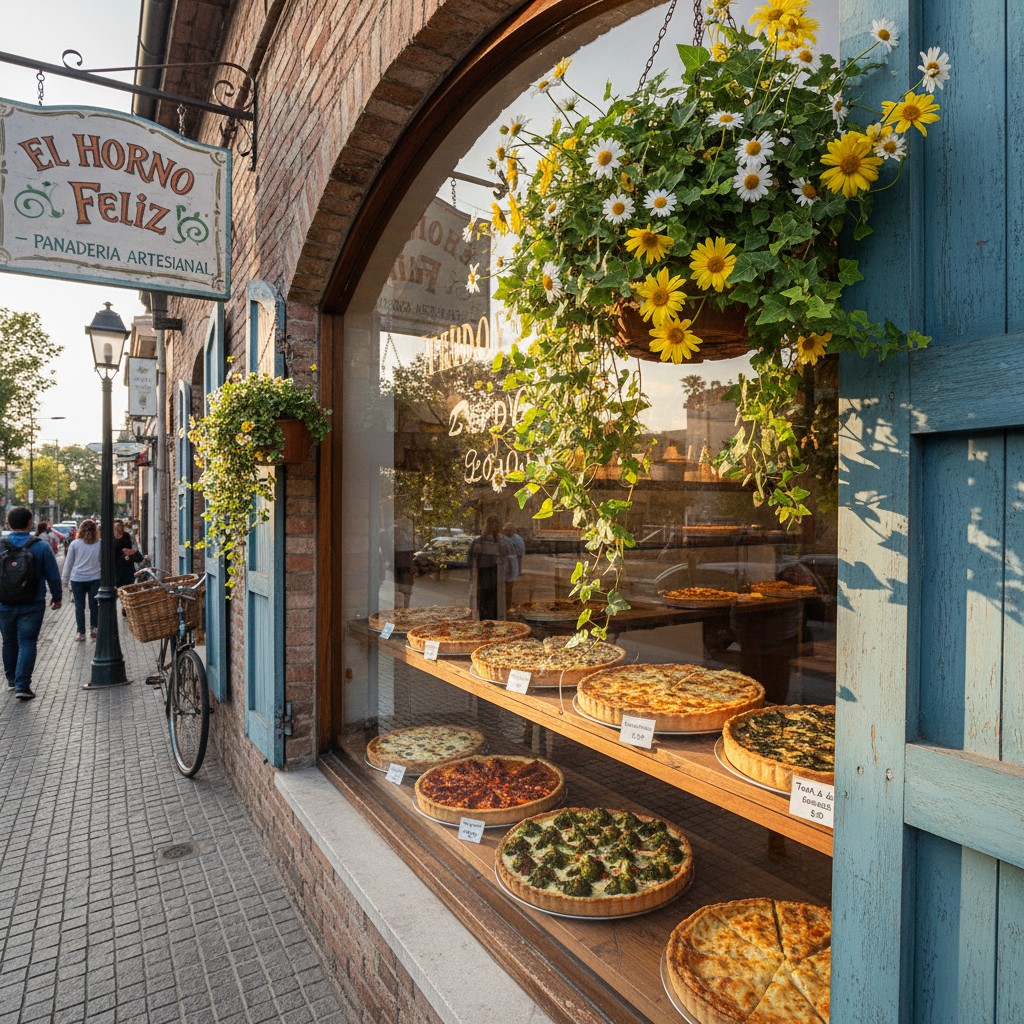
Is there anything more comforting than a perfectly baked savory tart, with its flaky crust and rich, creamy filling? The Tarta de Brócoli, a humble yet sophisticated dish, stands out as a true culinary delight, balancing earthy broccoli with savory cheese and a delicate custard base. It’s the kind of meal that feels both wholesome and indulgent, perfect for a light lunch, a satisfying brunch, or a simple, elegant dinner.
But finding a truly exceptional Tarta de Brócoli can feel like searching for a hidden treasure. Too often, you encounter soggy crusts, bland fillings, or an overwhelming taste of frozen vegetables. This guide is your treasure map. As an investigative journalist with a passion for uncovering culinary gems, I've compiled the ultimate list of strategies to help you navigate your local food scene and pinpoint the absolute best Tarta de Brócoli near you. Get ready to elevate your expectations and discover your new favorite spot.
1. Prioritize Specialty Bakeries and Patisseries
Your quest should begin where the art of pastry is held in the highest regard: specialty bakeries and patisseries. These establishments live and die by the quality of their dough, and a Tarta de Brócoli is, at its heart, a celebration of a perfect crust. An artisan baker who has mastered croissants and puff pastry will apply that same precision and high-quality butter to their savory offerings, resulting in a tart base that is light, flaky, and structurally sound.
When you visit, don't just look for the tart itself; observe the other baked goods. Are the croissants golden and airy? Are the fruit tarts glistening and neat? These are indicators of skill and attention to detail. Ask the baker or staff about their crust. Do they use all-butter dough? Is it made fresh daily? A passionate baker will be happy to share details about their process, which is a great sign of quality.
Furthermore, these smaller, specialized shops often use higher-quality ingredients for their fillings. They are more likely to source fresh, local broccoli and premium cheeses. While a slice might cost a little more than at a generic café, the superior texture and flavor are almost always worth the investment. This is where you find a tart made with passion, not just for profit.
2. Explore Spanish and Argentinian Restaurants
Savory tarts, or 'tartas saladas,' are a significant part of the culinary landscape in both Spain and Argentina. Expanding your search to include restaurants specializing in these cuisines can uncover some of the most authentic and delicious versions of Tarta de Brócoli. In these establishments, the tart isn't just a menu item; it's a piece of their culture, often made from a cherished family recipe.
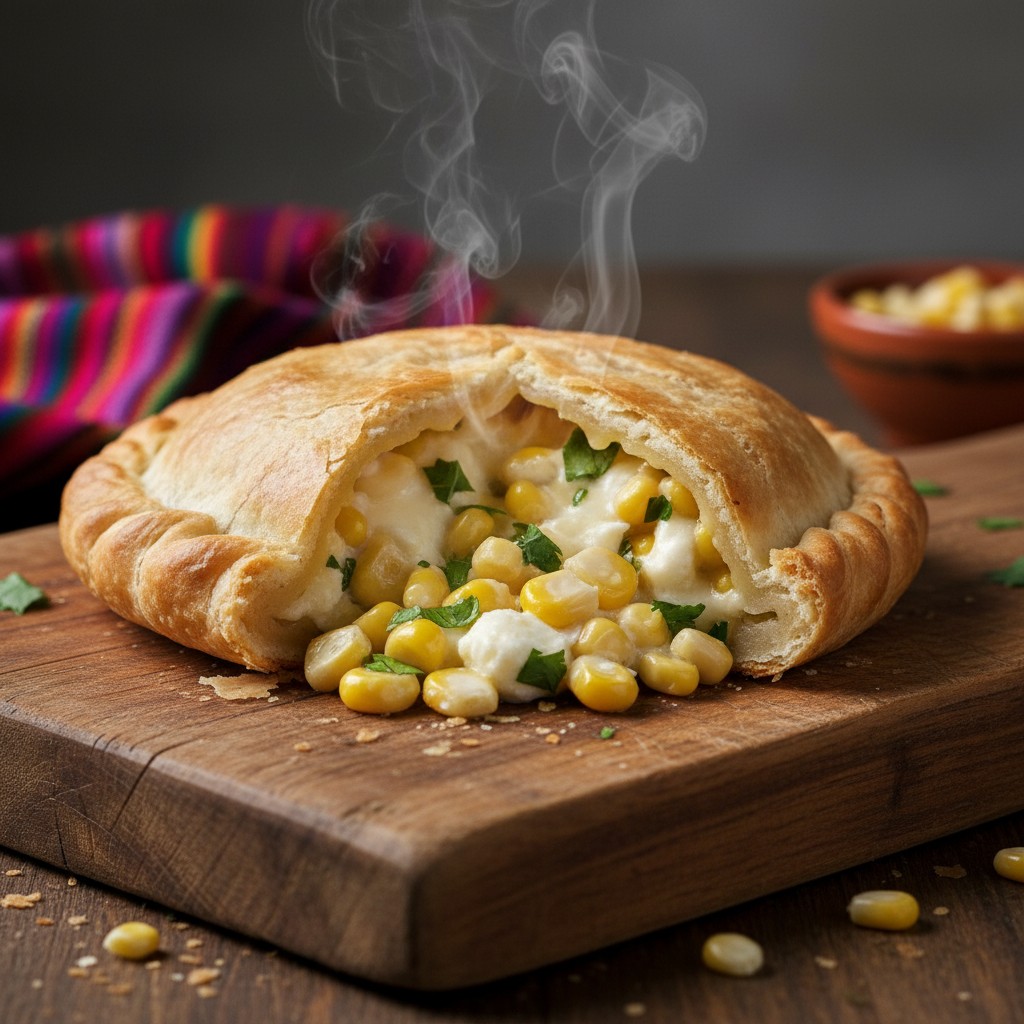
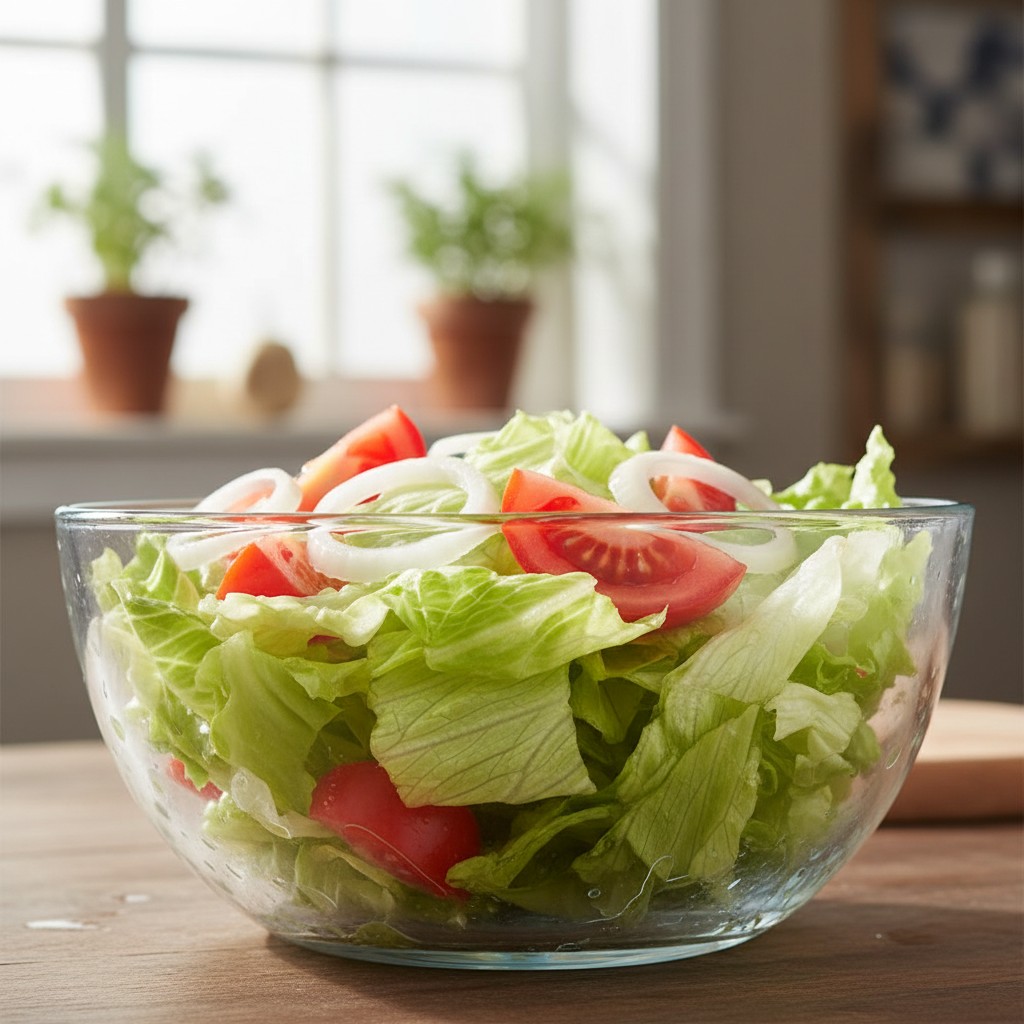
In a Spanish context, you might find it served as a 'pincho' (a small snack) or a 'ración' (a larger portion to share). While you're there, consider a full culinary experience. Learning the secrets to finding the perfect Ensalada Mixta can provide the ideal fresh, crisp counterpoint to the rich tart. In Argentinian restaurants, tartas are a lunchtime staple, often found alongside empanadas, and are known for their generous, hearty fillings.
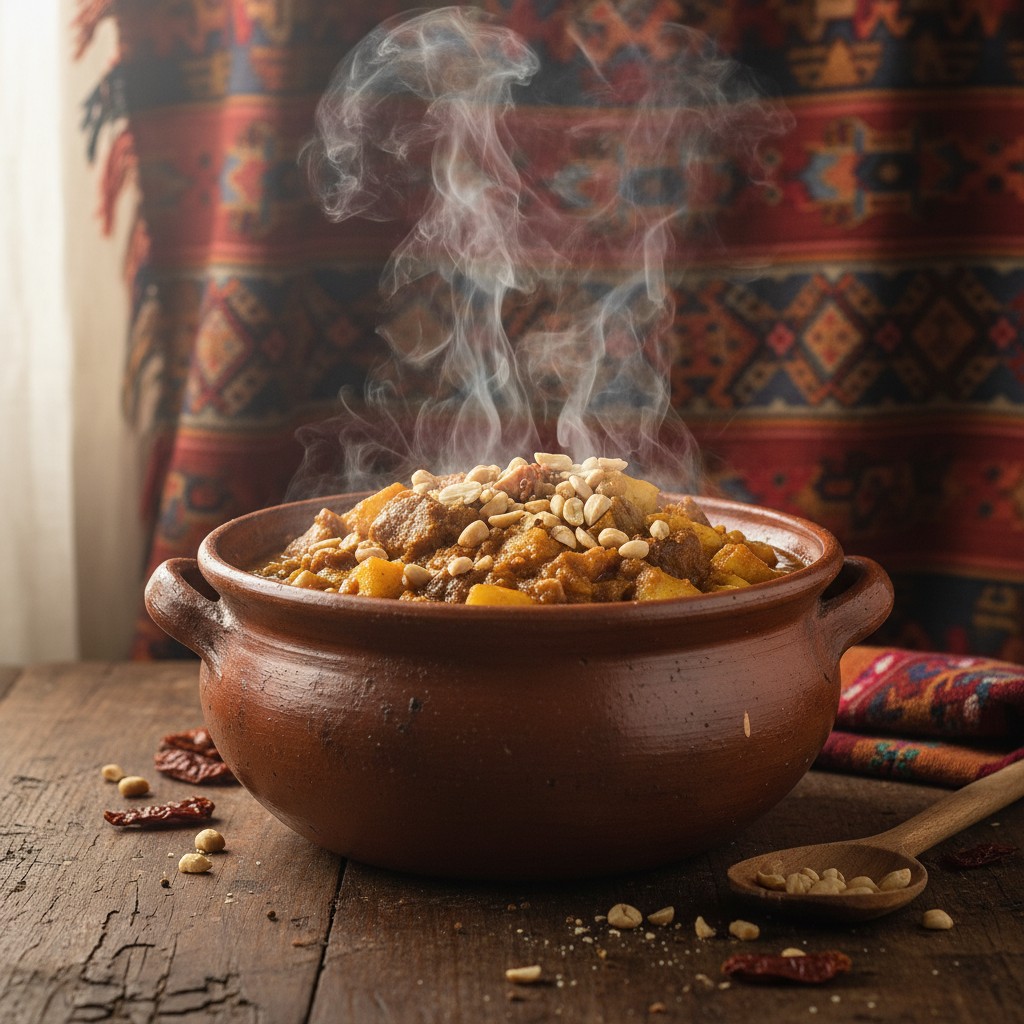
When you find a potential restaurant, check their menu for other traditional dishes. The presence of authentic items indicates a kitchen that respects its roots. This culinary exploration doesn't have to stop with European flavors. Expanding your palate to include rich, historical dishes from other cultures, like finding the most authentic Carapulcra near you, can be an incredibly rewarding journey for any food lover.
3. Master Food Review Apps and Websites
In the digital age, your smartphone is a powerful tool for culinary discovery. Apps like Google Maps, Yelp, TripAdvisor, and TheFork are invaluable, but you need to use them strategically. Instead of a generic 'restaurants near me' search, be specific. Use search terms like 'broccoli tart,' 'broccoli quiche,' 'savory tart,' and 'tarta de brócoli' to narrow down the results.
The real magic lies in reading the reviews and scanning user-submitted photos. Look for reviews that specifically mention the tart. Do they praise the flaky crust? Do they describe the filling as creamy and flavorful? Photos can be even more revealing. You can visually assess the color of the crust, the filling-to-crust ratio, and the overall appearance of the slice before you even leave your house.
Pay close attention to reviews from self-proclaimed 'foodies' or local guides, as they often have a more discerning palate. Also, use the filter functions. You can filter by 'bakeries,' 'cafes,' or specific cuisines like 'Spanish.' Cross-reference findings across multiple apps to get a more balanced view and identify places that are consistently praised for their baked goods.
4. Scour Your Local Farmers' Market
Farmers' markets are not just for fresh produce; they are bustling hubs for local artisans, including home bakers who have perfected their craft. Many vendors specialize in pies, quiches, and tarts, using ingredients sourced directly from the surrounding farm stands. This is where you're most likely to find a Tarta de Brócoli made with the freshest possible ingredients.
Engage with the vendors. Ask them about their tart. Where do they get their broccoli? What cheese do they use? When was it baked? A vendor at a farmers' market is typically the person who made the food, and their passion is infectious. They can give you the full story behind their product, which adds to the experience. You can often buy a whole tart to take home, ensuring you have a delicious meal ready for the week.
The key advantage here is freshness. The broccoli in the tart may have been picked just a day or two before. This makes a world of difference in flavor and texture, resulting in a brighter, more vibrant filling compared to tarts made with frozen or older produce. Arrive early for the best selection, as the most popular items often sell out quickly.
5. Analyze the Crust: The Golden Foundation
The crust is the foundation of any great tart. Before you even consider the filling, your eyes should be on the pastry. A superior crust will be a beautiful, even golden-brown. Avoid tarts with pale, anemic-looking crusts, as they are likely under-baked and will be soft and doughy. Similarly, steer clear of overly dark or burnt edges, which will impart a bitter taste.
Look for visible layers, especially around the rim of the tart. This lamination is a sign of a well-made 'pâte brisée' or puff pastry, indicating a flaky, light texture. The bottom of the crust should be firm and crisp, not soft or 'soggy.' A soggy bottom is a cardinal sin in tart-making, usually caused by an improperly pre-baked shell or a filling that is too wet.
When you take a bite, the crust should be tender and short, crumbling slightly but not disintegrating. It should have a rich, buttery flavor that complements, rather than overpowers, the filling. If the crust tastes bland, oily, or like cardboard (a sign of cheap shortening), you haven't found the one. A perfect crust is a testament to the baker's skill and respect for the ingredients.
6. Evaluate the Filling-to-Crust Ratio
Balance is everything in a great dish, and in a Tarta de Brócoli, the ratio of filling to crust is paramount. You are looking for a generous, deep-set filling that is the star of the show. A thin layer of filling in a thick, clunky crust is a sign of cost-cutting and will lead to a dry, unsatisfying bite. The filling should make up the majority of the tart's height.
Visually inspect the slice. Does it look substantial? The filling should be at least an inch deep, packed with visible pieces of broccoli and cheese suspended in a creamy custard. When you press a fork into it, it should be soft and yielding but hold its shape. A filling that is watery or weeps liquid is a red flag, indicating it may be overcooked or poorly made.
Conversely, the crust should be substantial enough to support the filling without being overwhelming. It's there to provide a structural and textural contrast—a crisp, buttery container for the soft, savory interior. If the bite is all crust and no filling, the balance is off. The perfect tart delivers a harmonious mouthful of creamy filling and flaky pastry in every bite.
7. Inquire About the Cheese Selection
The cheese in a Tarta de Brócoli is not just a binder; it's a primary source of flavor, saltiness, and richness. The choice of cheese can completely transform the character of the tart. A truly great version will use a cheese that offers a complex, nutty, or sharp flavor profile that stands up to the earthy broccoli.
Don't be shy about asking what kind of cheese is in the tart. Excellent choices include Gruyère, which offers a nutty and slightly sweet flavor that melts beautifully. Comté, Emmental, or a sharp, aged cheddar also work wonderfully. A blend of cheeses can be even better, such as Parmesan for a salty kick combined with a milder melting cheese like mozzarella or fontina.
If the answer is simply 'cheese' or a generic, processed variety, it might be a sign of a less-than-gourmet approach. The use of high-quality cheese indicates a commitment to flavor. You should be able to taste the distinct character of the cheese in the final product. It should create those delightful 'cheese pulls' when warm and contribute to the golden, bubbly top.
8. Confirm the Freshness of the Broccoli
The quality of the star ingredient, broccoli, is non-negotiable. The difference between a tart made with fresh, crisp broccoli and one made with frozen, waterlogged florets is night and day. Fresh broccoli provides a better texture—tender but with a slight bite—and a much cleaner, earthier flavor.
Look at the broccoli in the filling. It should be a vibrant green, not a dull, olive color, which can indicate overcooking or the use of old or frozen produce. The pieces should be distinct florets, not a mushy, indistinguishable mass. When you eat it, the broccoli should taste fresh and vegetal, providing a pleasant contrast to the rich custard and cheese.
Ask the staff if they use fresh or frozen broccoli. A place that proudly uses fresh ingredients will be happy to tell you. Some of the best tarts involve blanching or lightly sautéing fresh broccoli before adding it to the filling. This pre-cooking step ensures the broccoli is perfectly tender without releasing too much water into the custard, which is a key technique for avoiding a soggy tart.
9. Scan Online Menus Before You Go
A quick digital reconnaissance can save you a wasted trip. Before heading out to a promising bakery or restaurant, take a moment to look up their menu online. Most businesses today have a website or an updated profile on a delivery service platform that lists their current offerings. This simple step confirms whether Tarta de Brócoli is even on the menu.
Pay attention to whether the tart is listed as a regular menu item or under a 'daily specials' section. If it's a regular item, it's more likely to be consistently available. If it's a special, it might only be made on certain days of the week. In that case, a quick phone call to the establishment is a good idea to confirm its availability before you make the journey.
Scanning the menu also gives you a broader sense of the establishment's culinary focus. Does the rest of the menu look appealing? Do they specialize in from-scratch cooking? Seeing a menu filled with fresh, thoughtfully composed dishes increases the likelihood that the Tarta de Brócoli will be made with the same level of care and quality.
10. Follow Local Food Bloggers and Influencers
Local food bloggers and Instagram influencers are the modern-day culinary explorers. Their entire focus is to eat their way through a city and share the best of what they find. Following a few trusted foodies in your area can provide you with a curated list of must-try spots, many of which are hidden gems that don't show up in mainstream searches.
Search on Instagram or TikTok using hashtags like #[YourCity]Food, #[YourCity]Eats, or #[YourCity]Bakery. Look for accounts with high-quality photos and detailed, enthusiastic captions. They often post about specific dishes they loved, and a standout Tarta de Brócoli is exactly the kind of photogenic, comforting food that gets featured.
Once you find a few reliable bloggers, pay attention to their stories and posts. They often provide real-time updates on daily specials or new menu items. You can even send them a direct message asking for a recommendation. Many are happy to engage with their followers and share their favorite spot for a specific dish you're craving.
11. Don't Underestimate High-End Grocery Delis
While you might associate them more with salads and sandwiches, the prepared foods section of high-end or gourmet grocery stores can be a surprisingly excellent source for a top-tier Tarta de Brócoli. Stores like Whole Foods, Wegmans, or local independent grocers with a focus on quality often have in-house kitchens with talented chefs.
These kitchens frequently create a rotating selection of savory baked goods, including quiches and tarts. Because these stores have direct access to the freshest produce and finest cheeses in their own aisles, the ingredient quality is often very high. They are designed for busy professionals who want a restaurant-quality meal at home, so the standards are typically rigorous.
Look for tarts that are sold whole or by the slice at the deli counter. Check the ingredient list if available—it should be short and recognizable. The advantage here is convenience; you can pick up a fantastic tart while doing your regular grocery shopping. It's the perfect solution for an easy, elegant weeknight dinner.
12. Embrace the 'Special of the Day'
When you see Tarta de Brócoli listed as a 'special of the day,' your interest should be piqued. A daily special often signifies that the chef has sourced particularly fresh ingredients—perhaps a beautiful batch of broccoli from the market—and was inspired to create something special with it. It's a departure from the routine menu and often receives extra care and attention.
Unlike a standard menu item that might be prepared in large batches, a special is often made in a more limited quantity. This smaller batch size can lead to a higher quality product, baked with more precision. It's a chance for the kitchen to shine and use ingredients at their peak.
When you order the special, you're tapping into the freshest the kitchen has to offer. It's a vote of confidence in the chef's judgment for the day. Ask your server about it; their enthusiastic description can be a good indicator. If they say, 'The chef just pulled it out of the oven,' you know you're in for a treat.
13. Judge by the Company It Keeps
A bakery or café that offers a variety of savory tarts is a promising sign. If you see a Tarta de Brócoli sitting alongside a Quiche Lorraine, a tomato and goat cheese tart, and a mushroom tart, it indicates that savory baking is a core competency for them, not just an afterthought. They have invested time and expertise in perfecting their base recipes.
Observe the quality of the other tarts. Do they all have the same golden, flaky crust? Do their fillings look vibrant and generous? If the entire lineup looks appealing, it's a safe bet that the Tarta de Brócoli will be made to the same high standard. This is a much more reliable indicator than finding it as a lone, token savory item among a sea of sweet pastries.
This principle also allows for a backup plan. If they happen to be sold out of the broccoli tart, you can confidently try one of the others. A kitchen that can execute a perfect Quiche Lorraine has the fundamental skills—pastry and custard—to make any savory tart a success. It shows a dedication to the entire category of savory baking.
14. Look for a Golden, Bubbly Top
The visual appeal of a tart is a direct reflection of its quality. The top surface should be a beautiful mosaic of color and texture. Look for a golden-brown, slightly bubbly surface, which indicates that the cheese has melted and caramelized perfectly under the heat, a process known as the Maillard reaction, which creates immense flavor.
The custard itself should be just set, with a gentle rise. It shouldn't be sunken or cracked, which can be a sign of over-baking. You should see the green tips of the broccoli florets peeking through the golden cheese, perhaps with a slight char on the very tips, which adds a delicious roasted note. A pale, flat top suggests an under-baked tart that will lack flavor and may have a runny texture.
This final browning is not just for looks; it's a crucial flavor-development step. It adds a toasty, savory depth that contrasts with the creamy interior. A tart that has been baked with care will be visually stunning from every angle, from the flaky rim of the crust to the perfectly browned top.
15. Consider Making Your Own
After an exhaustive search, you may come to the conclusion that the ultimate Tarta de Brócoli is the one you make in your own kitchen. While it may seem daunting, making a tart from scratch is an incredibly rewarding process that gives you complete control over every single element. You get to choose the cheese, ensure the broccoli is market-fresh, and perfect the crust to your exact liking.
Start with a reliable recipe for a 'pâte brisée' (a classic French shortcrust pastry). The key is using cold, high-quality butter and not overworking the dough. Blind-baking the crust before adding the filling is the professional secret to avoiding a soggy bottom. For the filling, a simple custard of eggs and heavy cream, combined with blanched fresh broccoli and your favorite cheese—like a sharp Gruyère and a hint of Parmesan—is a winning combination.
The journey of making your own not only guarantees a delicious result but also deepens your appreciation for the craft. You'll understand the balance of textures and flavors on a new level. The next time you're out searching for the 'best tarta de brocoli near me,' you'll be armed with the palate and knowledge of a true connoisseur, able to spot quality instantly.
Frequently Asked Questions
What exactly is a Tarta de Brócoli?
Tarta de Brócoli is a savory tart originating from Spanish and Latin American cuisines. It consists of a pastry crust filled with a mixture of broccoli, cheese, and a savory custard made from eggs and cream. It's similar to a broccoli quiche but can sometimes have a different style of crust or a denser filling.
What is the difference between a tarta and a quiche?
The terms are often used interchangeably, but there can be subtle differences. A quiche is classically French and must contain an egg and cream custard. Its crust is typically a standard shortcrust (pâte brisée). A 'tarta' is a broader Spanish term for a tart, which can have various crusts (including puff pastry) and fillings that may be less custard-heavy and more focused on the primary ingredients like vegetables and cheese.
What are the key signs of a high-quality Tarta de Brócoli?
Look for three main things: 1) The Crust: It should be golden-brown, flaky, and crisp, not soggy or pale. 2) The Filling: It should be generous and deep, with vibrant green broccoli and high-quality cheese visible. The texture should be creamy but firm. 3) The Flavor: It should have a balance of buttery pastry, fresh and earthy broccoli, savory cheese, and a rich, well-seasoned custard.
How can I tell if a slice of tart is fresh?
First, look at it. A fresh tart will have a vibrant appearance; the crust will look crisp, and the filling won't look dried out or sunken. If it's being served warm, that's a great sign. Don't hesitate to ask the staff, 'When was this baked?' A bakery or café proud of its freshness will be happy to tell you it was made that morning.
What is the best way to eat Tarta de Brócoli?
Tarta de Brócoli is wonderfully versatile. It can be enjoyed warm or at room temperature. It's fantastic on its own for a light lunch or brunch. For a more complete meal, pair it with a simple green salad with a vinaigrette dressing. The acidity of the dressing cuts through the richness of the tart beautifully.
Image Source: © MrDetechtive — all photos in this article are the exclusive property of MrDetechtive and may not be reproduced or reused without written permission.