15 Expert Tips for Finding the Most Authentic Carapulcra Near You
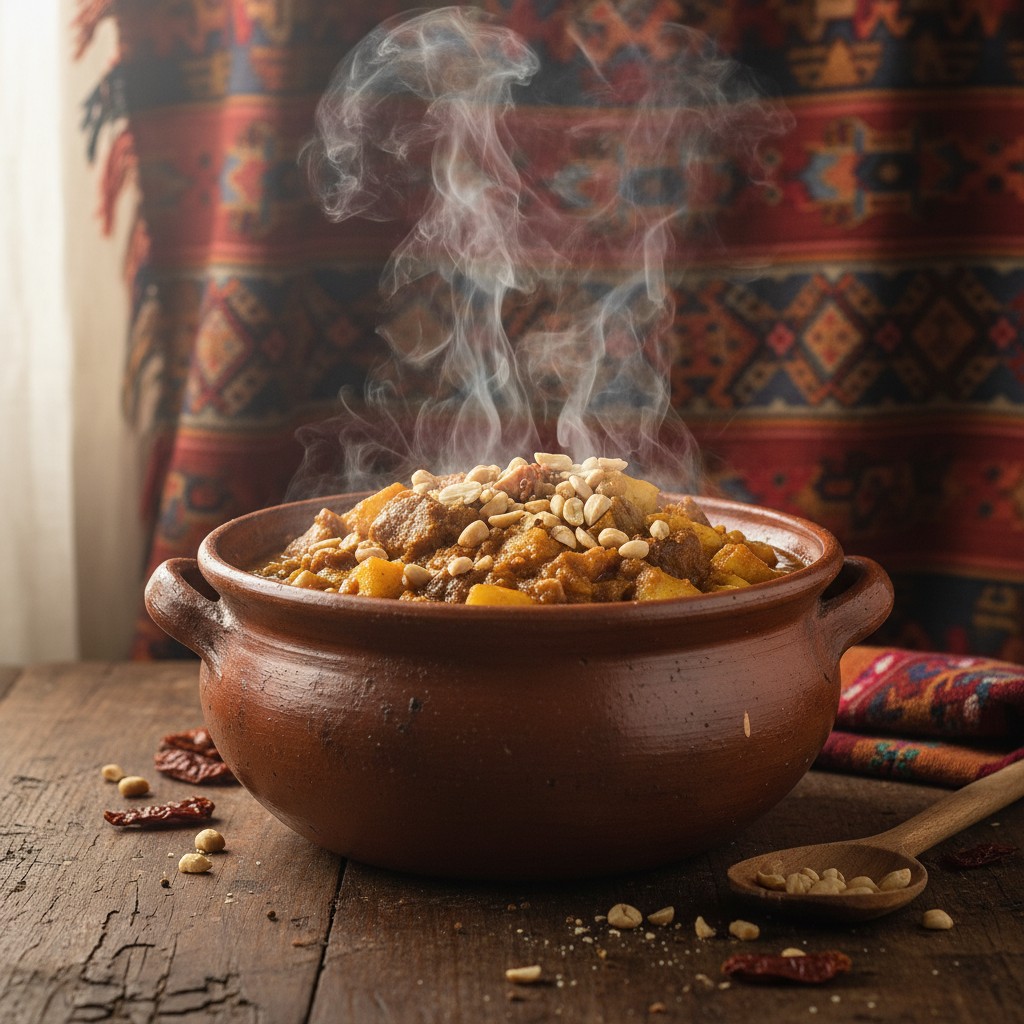
Imagine a stew so ancient its origins trace back to the Incan Empire, a dish brimming with smoky, earthy flavors and a history as rich as its sauce. This is carapulcra, a cornerstone of Peruvian cuisine. It’s a hearty, soul-warming stew crafted from papa seca (sun-dried potatoes), savory pork or chicken, and the deep, fruity heat of aji panca chili peppers. For many, it's the ultimate comfort food, a taste of home and heritage simmered to perfection over hours.
But finding an authentic version that does justice to its legacy can be a challenge. Your search for the "best carapulcra near me" is more than just a food query; it's a culinary expedition into the heart of Andean gastronomy. The difference between a mediocre carapulcra and a sublime one lies in the details: the rehydration of the potatoes, the slow rendering of the pork, and the careful balance of spices that have been passed down through generations.
This guide is your map, meticulously researched to help you navigate the local food scene and uncover the most delicious and genuine carapulcra your city has to offer. We'll go beyond simple online searches, giving you the tools to identify true culinary gems, from bustling family-run restaurants to hidden neighborhood spots. Prepare to embark on a flavorful quest that will reward you with one of Peru's most treasured dishes.
1. Understand the Ancient Roots of Carapulcra
Before you can find the best carapulcra, you must understand what it represents. This isn't just a stew; it's one of the oldest recorded dishes in Peru, with origins tracing back to the Aymara and Inca civilizations. Originally known as 'qala purka' (meaning 'stew made with hot stones' in Quechua), it was prepared by cooking meat and potatoes with heated stones. This ancient heritage means that authenticity is paramount, and the best versions respect this long and storied history.
Over the centuries, the dish evolved, absorbing influences from Spanish and Afro-Peruvian cultures. The Spanish introduced pork and chicken, which became central ingredients, while Afro-Peruvian cooks from the Chincha region added peanuts and their own unique spice blends, creating a distinct and beloved variation. This fusion of cultures is what gives modern carapulcra its complex flavor profile.
When you search for carapulcra, you are searching for a piece of living history. A restaurant that understands and respects these roots is more likely to produce an authentic dish. Look for establishments that take pride in their heritage, perhaps noting the dish's history on their menu or having chefs who specialize in traditional Peruvian cooking. This appreciation for its origins is often the first sign of a truly great carapulcra.
2. Know the Key Ingredients of Authenticity
The soul of carapulcra lies in its core ingredients, and their quality is non-negotiable. The most critical component is 'papa seca,' or sun-dried potato. This is not something that can be substituted. The process of dicing, boiling, peeling, drying, and toasting these potatoes gives them a unique, slightly chewy texture and an earthy flavor that absorbs the stew's essence. A restaurant using fresh potatoes is not making true carapulcra.
Equally important is the aji panca, a mild, dark red chili pepper with a smoky, berry-like flavor. This pepper provides the dish's signature color and deep, complex taste without overwhelming heat. Authentic preparations use a paste made from scratch by toasting and blending these peppers. A stew that tastes of generic chili powder or lacks the smoky depth of aji panca is cutting corners.
Finally, consider the meat and aromatics. Traditional carapulcra features pork, often a mix of fatty and lean cuts for maximum flavor, though chicken is also common. The stew should be enriched with a sofrito of onions and garlic, and often includes ground roasted peanuts for texture and richness, along with a hint of cinnamon and cloves. When you find a place that gets these fundamental ingredients right, you're on the right track.
3. Differentiate Regional Styles: Chincha vs. Lima
Not all carapulcras are created equal, and regional variations play a huge role. The most famous version is 'Carapulcra con Sopa Seca,' a combination often referred to as 'manchapecho' ('stain the chest,' a playful nod to its potential for messy eating). This style, popularized in the Afro-Peruvian hub of Chincha and widely adopted in Lima, pairs the hearty potato stew with sopa seca—a savory dish of noodles cooked in a flavorful broth with achiote and herbs until the liquid is absorbed.
The carapulcra from Chincha itself is known for being richer and often includes a more generous amount of ground peanuts, giving it a thicker consistency and a distinct nutty flavor. The sopa seca served alongside it is a star in its own right, not merely a side dish. The noodles are typically seasoned with basil and red wine vinegar, providing a tangy counterpoint to the smoky stew.
When evaluating a restaurant, see how they present their carapulcra. Do they offer it with sopa seca? Is it an optional addition or a standard pairing? A restaurant that specializes in the 'manchapecho' combination shows a dedication to this beloved tradition. Ask if their style is inspired by Chincha or Lima to gauge the chef's understanding of these regional nuances.
4. Master the Art of Specific Online Searches
A generic search for 'best carapulcra near me' will give you a list of Peruvian restaurants, but it won't tell you who specializes in the dish. To find the true gems, you need to be more specific. Use search terms like 'carapulcra con sopa seca,' 'authentic Chincha style carapulcra,' or 'manchapecho Peruano.' These targeted queries are more likely to lead you to restaurants that highlight the dish as a specialty.
Don't just rely on the main search results. Dive into the 'Images' and 'News' tabs. A restaurant that is proud of its carapulcra will feature high-quality photos of it on their website and social media. Local news articles or food blog reviews that specifically mention the carapulcra are strong indicators of quality. Look for photos where the stew has a deep, reddish-brown color from the aji panca and the papa seca looks distinct, not like a mushy potato soup.
Your quest for the perfect carapulcra can turn into a mini road trip, exploring different neighborhoods or even cities. Just as with any good adventure, preparation is key, much like you'd need solid campervan storage solutions for a longer journey. Plan your route, mark potential restaurants on a map, and make a day of your culinary exploration. This methodical approach will be far more rewarding than a random visit.
5. Scour Food Blogs and YouTube Vlogs
The most passionate food lovers often run blogs or YouTube channels, and their opinions can be invaluable. Seek out local food bloggers or vloggers who specialize in international or Latin American cuisine. These individuals often go beyond the surface-level reviews found on major platforms, providing detailed descriptions of the flavor, texture, and authenticity of the dishes they try.
Look for video reviews where you can actually see the dish. A vlogger will often show the consistency of the stew, the texture of the meat, and their genuine reaction upon tasting it. They might even interview the chef or owner, providing insights into the cooking process and the restaurant's philosophy. Pay attention to creators who have a clear understanding of Peruvian food and can compare the carapulcra to traditional standards.
When you find a promising review, cross-reference it. Does the blogger consistently praise authentic spots? Do other reviewers corroborate their experience? Building a list of trusted local food critics can be your secret weapon in finding not just the best carapulcra, but the best of any cuisine in your area. Their dedication to food discovery often leads them to the hidden gems you're looking for.
6. Leverage Social Media Hashtags and Geotags
Social media platforms like Instagram and TikTok are powerful tools for visual food hunting. Instead of searching for restaurants, search for the dish itself. Use hashtags like #carapulcra, #sopa seca, #manchapecho, and #comidaperuana. This will show you a real-time feed of photos and videos posted by diners.
This method allows you to see what the dish actually looks like when served to a regular customer, not just in professional marketing shots. Pay attention to the geotags on these posts. If you see multiple people posting delicious-looking photos of carapulcra from the same restaurant, it's a very strong signal that the place is worth checking out. You can also see the comments to gauge public opinion.
Don't hesitate to engage with the community. If you see a particularly appetizing post, leave a comment asking the user about their experience. People are often happy to share their opinions and give you an honest take. You can also follow Peruvian community groups or food-focused accounts in your city, as they often highlight and promote restaurants serving authentic dishes.
7. Read Online Reviews with a Critical Eye
While online review sites are useful, you must learn to filter the noise. A five-star rating with a comment like 'Great food!' is less helpful than a four-star review that says, 'The carapulcra had an authentic smoky flavor from the aji panca, but the sopa seca was a bit dry.' Look for reviews that mention specific details about the carapulcra.
Developing a discerning eye for authentic reviews is a skill, much like mastering the art of applying hooded eye makeup; you learn to look for specific details and ignore the fluff. Look for reviewers who mention the texture of the papa seca (it should be slightly chewy, not mushy), the depth of the aji panca flavor, or the quality of the pork. Reviews written by people with Peruvian-sounding last names or who mention they are from Peru can often be more reliable.
Conversely, be wary of overly generic praise or complaints. A review complaining about the 'chewy potatoes' is likely from someone unfamiliar with papa seca and can actually be a sign of authenticity. Use the search function within a restaurant's reviews page to look for the word 'carapulcra' and read only the reviews that mention it specifically.
8. Look for 'Menu del Día' Specials
In many Peruvian restaurants, carapulcra is not on the permanent menu every day. Due to its lengthy preparation time, it's often featured as a 'menu del día' (menu of the day) or a weekend special. This is actually a good sign, as it suggests the dish is made in large, fresh batches for a specific day rather than being stored and reheated.
Check restaurant websites or call them to ask which days they serve carapulcra. Many traditional spots will have a rotating weekly schedule of specials, with carapulcra often appearing on Fridays or Saturdays. Finding a place that reserves a specific day for this dish shows a level of respect and dedication to preparing it properly.
This approach also connects you with the local Peruvian community. The days when carapulcra is served are often the days when the restaurant is busiest with Peruvian families and regulars coming in for their favorite meal. Dining in this atmosphere not only guarantees a fresh dish but also provides a more authentic cultural experience.
9. Ask the Local Peruvian Community
For the most foolproof recommendations, go directly to the source. Seek out local Peruvian community centers, cultural associations, or even grocery stores that specialize in South American products. The people who run and frequent these places will have firsthand knowledge of where to find the food that tastes like home.
Don't be shy about asking for recommendations. Simply explaining that you're looking for the most authentic carapulcra in the area will often be met with enthusiastic and passionate suggestions. They can tell you which restaurant's carapulcra tastes most like their grandmother's recipe, a compliment of the highest order.
This method can lead you to places that have minimal online presence but are legendary within the community. These are the true hidden gems that rely on word-of-mouth rather than marketing budgets. Building these community connections is the ultimate hack for any culinary explorer.
10. Call Restaurants and Ask Specific Questions
Once you have a shortlist of restaurants, a quick phone call can help you narrow it down further. Instead of just asking if they have carapulcra, ask more pointed questions that demonstrate your knowledge. This will signal to them that you are a discerning customer.
Politely inquire, 'Do you make your carapulcra with papa seca?' or 'Is your carapulcra made in the Chincha style with sopa seca?' You could even ask, 'Do you make your own aji panca paste?' The reaction you get is telling. An owner or chef who is proud of their process will be happy to talk about it. If they seem confused or dismissive, it might be a red flag.
This is not about being confrontational, but about showing genuine interest. A restaurant that is passionate about their food will appreciate a customer who is equally passionate. This small effort can save you a trip and help you zero in on the establishment that takes its carapulcra seriously.
11. Prioritize Hole-in-the-Wall Establishments
While sleek, modern restaurants can be excellent, don't overlook the humble, family-run 'hole-in-the-wall' spots. These unassuming eateries are often the guardians of traditional recipes, passed down through generations. Their focus is entirely on the food, not on fancy decor or trendy marketing.
Look for restaurants in neighborhoods with a significant Latin American population. These places cater to a clientele that knows what authentic food should taste like, so they have to get it right. A small, bustling restaurant filled with the sounds of Spanish and the aroma of simmering stews is a promising sign.
These establishments often offer better value for money, providing generous portions of high-quality, lovingly prepared food. Your search for the best carapulcra is an adventure, and sometimes the greatest treasures are found in the most unexpected places. Be willing to step off the beaten path and give a small, local business a try.
12. Examine the Full Menu for Other Classics
A restaurant's full menu can tell you a lot about its kitchen's expertise. Before you commit to the carapulcra, scan the rest of the offerings. Are other Peruvian classics present and accounted for? Look for dishes like Lomo Saltado, Aji de Gallina, Anticuchos, Cau Cau, and Ceviche.
The presence of a wide range of traditional, labor-intensive dishes suggests a kitchen with deep knowledge and skill in Peruvian cuisine. If the menu is limited to a few generic 'Latin' dishes or heavily Americanized versions of classics, they may not have the expertise to execute a complex dish like carapulcra properly.
Furthermore, look for regional specialties. If a restaurant offers Seco de Cabrito (goat stew) or Arroz con Pato (duck with rice), it indicates a commitment to diverse and authentic Peruvian cooking. A kitchen that can master these dishes is highly likely to make an excellent carapulcra.
13. Pay Attention to the Sopa Seca
If you're seeking the classic 'manchapecho' experience, the sopa seca is not an afterthought—it's half the dish. A great carapulcra can be let down by mediocre noodles. The sopa seca should be flavorful in its own right, with a distinct taste of its seasoned broth, which often includes achiote for color and a hint of basil or parsley.
The texture is crucial. The noodles, typically spaghetti or linguine, should be cooked until they have absorbed all the liquid, resulting in a 'dry' but moist and tender consistency. They should not be mushy, watery, or bland. Each strand should be coated in flavor. When you see photos or read reviews, look for mentions of the sopa seca's quality.
A restaurant that nails the sopa seca demonstrates a high level of care and attention to detail. It shows they understand that the harmony between the smoky, earthy stew and the savory, herbaceous noodles is what makes the 'Carapulcra con Sopa Seca' combination so iconic. Don't settle for a dish where the noodles are treated as a simple side of pasta.
14. Don't Forget the Accompaniments
The final touches can make or break the meal. Authentic carapulcra is almost always served with a side of 'salsa criolla,' a fresh relish made from thinly sliced red onions, cilantro, lime juice, and aji limo or habanero peppers. This zesty, acidic condiment cuts through the richness of the stew, providing a bright, refreshing contrast.
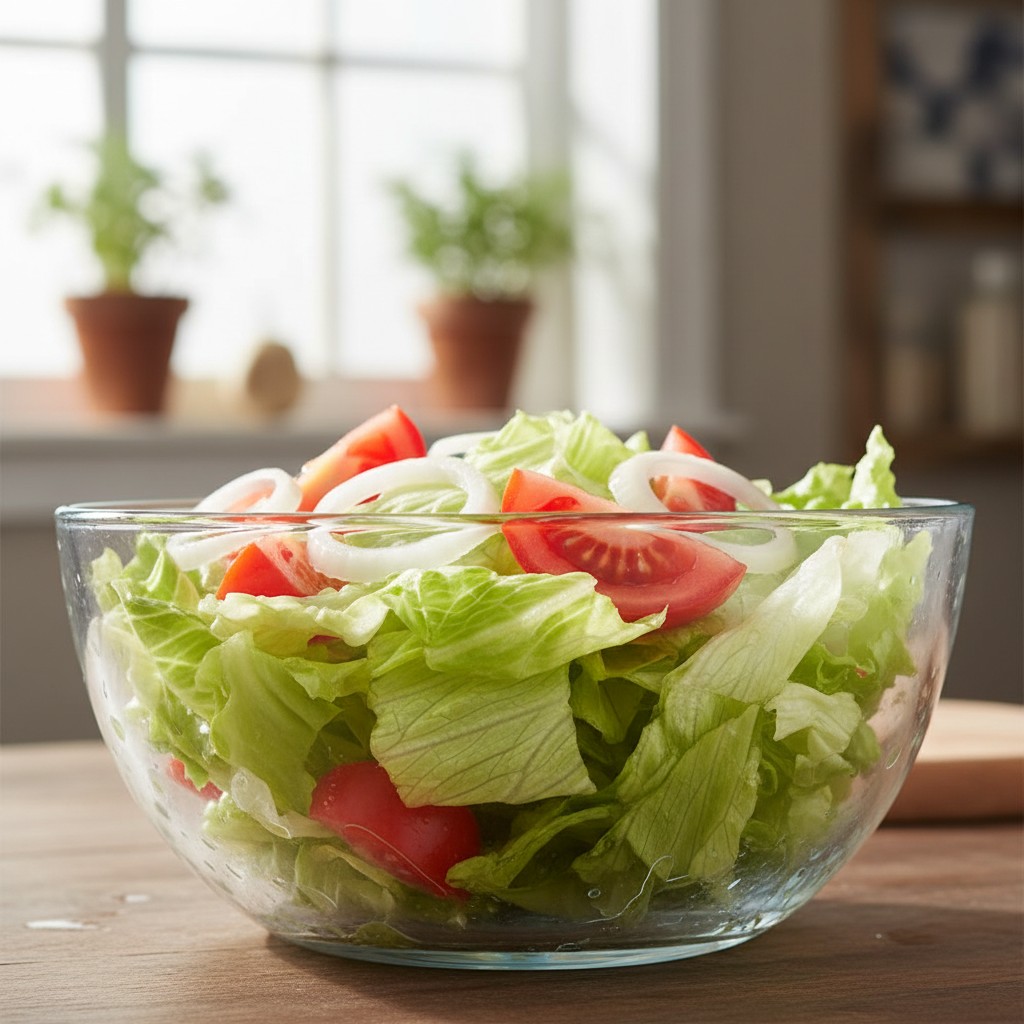
A truly great carapulcra is often accompanied by this vibrant salsa. The quality of this simple side can elevate the entire meal, much like how a perfectly dressed authentic ensalada mixta is crucial to a Spanish dining experience. A fresh, crisp salsa criolla with the right balance of lime and spice is a sign that the kitchen pays attention to every detail, from the main course to the garnish.
Additionally, many restaurants will offer a house-made rocoto hot sauce. This fiery sauce, made from the distinctively fruity and spicy rocoto pepper, allows diners to customize the heat level of their dish. The availability of fresh, well-made accompaniments is a hallmark of a restaurant that is serious about providing a complete and authentic Peruvian dining experience.
15. Trust Your Senses on Your Visit
After all your research, the final test is the visit itself. From the moment you walk in, trust your senses. The restaurant should smell inviting, with aromas of simmering garlic, onions, and spices. Listen for the sounds of a busy but happy dining room, ideally with some Spanish being spoken.
When the plate arrives, take a moment to observe. The carapulcra should have a deep, appetizing reddish-brown hue. You should be able to see the distinct pieces of papa seca, not a uniform mush. The pork should look tender, and if served with sopa seca, the noodles should be separate and well-seasoned, not clumped together.
Finally, the taste. The first spoonful should deliver a complex flavor profile: smoky from the aji panca, savory from the pork, earthy from the potatoes, with a subtle sweetness from the peanuts and spices. The texture should be a delightful mix of the tender meat and the slightly chewy papa seca. If it all comes together in a harmonious, soul-satisfying way, then congratulations—your quest is complete. You've found your perfect carapulcra.
Frequently Asked Questions
What exactly is carapulcra?
Carapulcra is one of Peru's oldest and most traditional stews. Its core ingredient is 'papa seca,' which are potatoes that have been boiled, diced, sun-dried, and toasted. This process gives them a unique chewy texture and earthy flavor. The stew is typically made with pork and/or chicken, seasoned with a paste of smoky aji panca chili peppers, garlic, onions, and spices like cumin, cinnamon, and cloves. Many versions also include ground roasted peanuts for added richness and texture.
What's the difference between carapulcra and carapulcra con sopa seca?
Carapulcra is the potato and meat stew itself. 'Carapulcra con Sopa Seca' is a popular combination dish, especially in the Chincha and Lima regions, where the stew is served alongside or on top of 'sopa seca' (dry soup). Sopa seca isn't a soup but a dish of spaghetti or other noodles cooked in a savory, seasoned broth until all the liquid is absorbed. This iconic pairing is also known as 'manchapecho.'
Is carapulcra spicy?
Carapulcra is flavorful but generally not very spicy. The primary chili used, aji panca, is known for its smoky, fruity flavor rather than intense heat. It provides a deep, complex warmth. Most Peruvian restaurants serve spicy sauces like aji de rocoto on the side, allowing you to add heat to your personal preference. The base stew is typically mild enough for all palates.
What should I drink with carapulcra?
The classic pairing for carapulcra is Chicha Morada, a sweet, refreshing Peruvian drink made from purple corn, pineapple, and spices. Its slight tartness and clove notes complement the stew beautifully. Another excellent option is an Inca Kola, Peru's iconic, bubblegum-flavored golden soda. For alcoholic beverages, a light Peruvian beer like a Cusqueña or Pilsen Callao works well to cut through the richness of the dish.
Can I make authentic carapulcra at home?
Yes, you can definitely make carapulcra at home, but it requires some special ingredients and patience. You will need to source authentic papa seca and dried aji panca peppers, which can usually be found at Latin American grocery stores or online. The process involves rehydrating the potatoes and slow-simmering the stew for several hours to develop the deep flavors. While it's a labor of love, the reward is a delicious and authentic taste of Peru in your own kitchen.
Image Source: © MrDetechtive — all photos in this article are the exclusive property of MrDetechtive and may not be reproduced or reused without written permission.