15 Pro Tips to Find the Best Empanada de Humita Near You
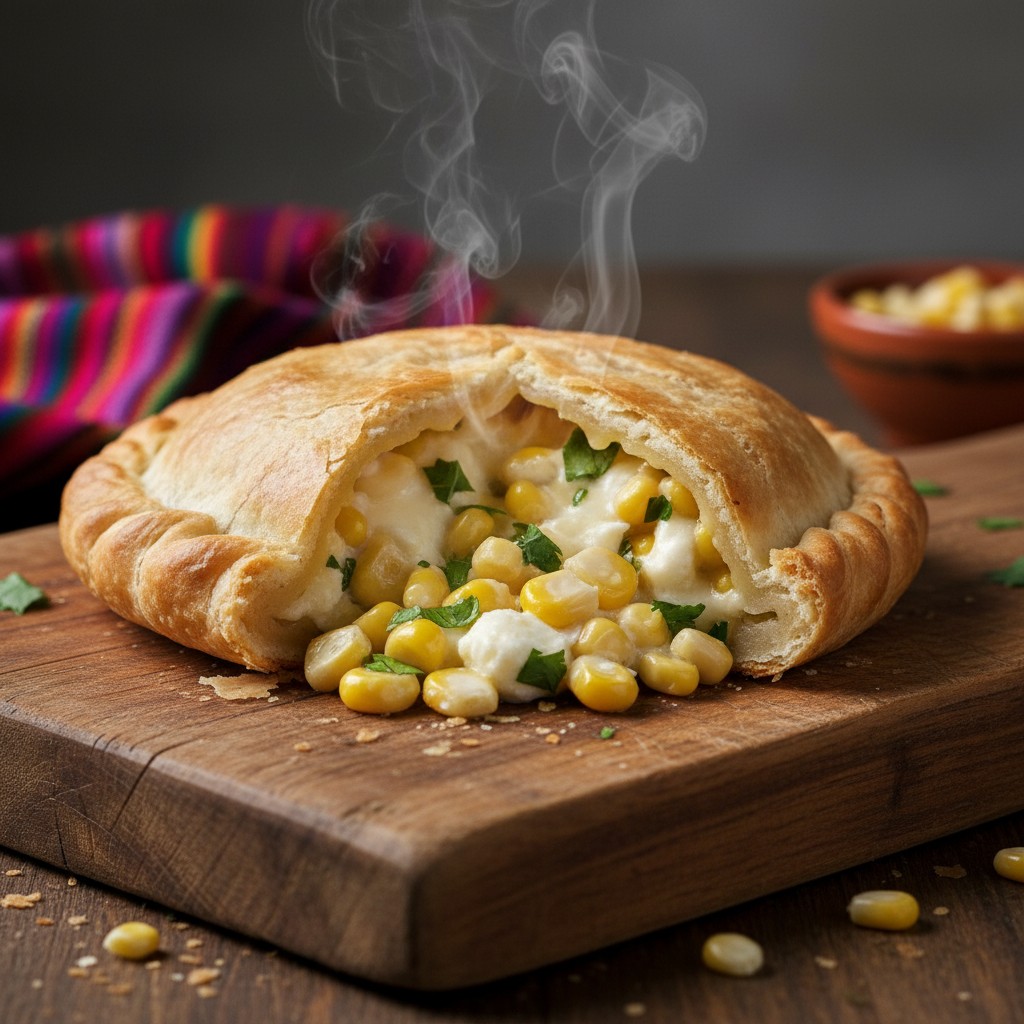
There's a unique magic in biting through a warm, flaky pastry to reveal a creamy, sweet, and savory corn filling—that's the sublime experience of a perfect empanada de humita. Far more than just a simple turnover, this beloved South American staple is a parcel of pure comfort, blending sweet corn, onions, spices, and often melted cheese into a harmonious delight. It's a culinary treasure that speaks of home-cooked meals and bustling market stalls from the Andes to the Pampas.
But finding an truly exceptional one outside of its native lands can feel like a quest. Many try, but few capture the authentic balance of sweetness and savoriness that defines a great humita filling. This guide is your treasure map. We'll explore 15 insider strategies to help you navigate your local food scene and pinpoint the bakeries and restaurants serving the most authentic and delicious empanadas de humita. From understanding regional differences to decoding online reviews, you'll be equipped to find your new favorite spot.
1. Understand the Soul of 'Humita'
Before you begin your search, it's crucial to understand what makes a 'humita' filling authentic. Unlike a simple corn-filled pastry, humita is a specific preparation with deep roots in Andean cuisine. The core ingredient is fresh sweet corn (choclo), which is grated or blended to create a creamy, textured paste. This base is then slowly cooked with sautéed onions, milk or cream, and a delicate blend of spices, which can include nutmeg, paprika, and basil. The result should be a filling that is naturally sweet from the corn but balanced by savory and aromatic notes.
The consistency is key. A great humita filling is thick and creamy, never watery or dry. Some regional variations incorporate cheese, typically a mild, melting white cheese like queso fresco or mozzarella, which adds a delightful stringiness and extra richness. It's this careful preparation that distinguishes it from other corn fillings and makes it so beloved. When you're tasting, pay attention to the complexity of the flavor—it shouldn't just taste like corn, but like a well-crafted, savory pudding encased in pastry.
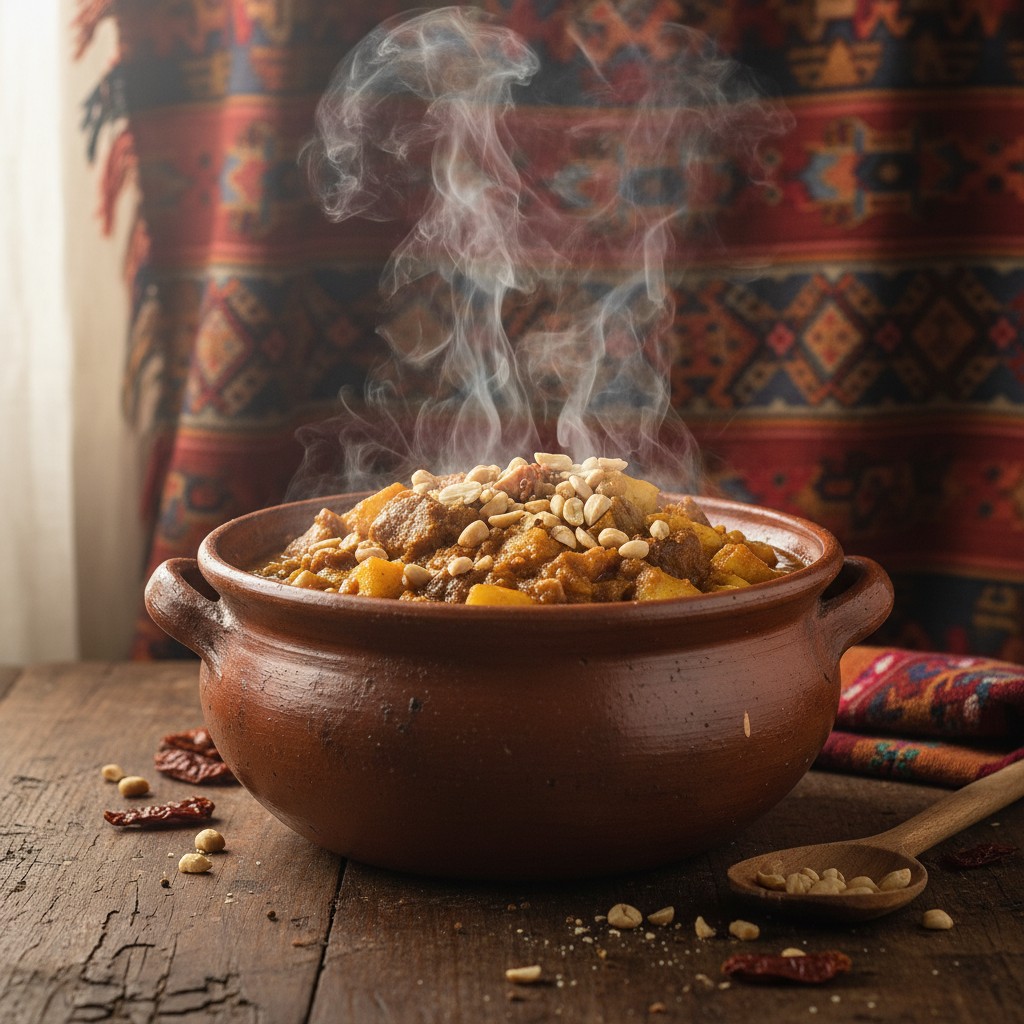
This dedication to a specific filling is a hallmark of many South American specialties. Much like the slow-cooked stew in an authentic carapulcra recipe, the humita filling is a labor of love. Asking a vendor how they prepare their humita can give you immediate insight into their commitment to tradition.
2. Know Your Regional Variations
The empanada de humita is not a monolith; its character changes as you travel across South America. In Argentina, 'empanadas de humita' are often on the sweeter side, sometimes with a pinch of sugar added to the corn mixture, and are particularly popular in the northern provinces like Salta and Jujuy. They almost always include cheese, creating a sweet, savory, and gooey experience.
Head west to Chile, and you'll find that 'humitas' are more commonly served as a standalone dish, similar to a tamale wrapped in corn husks. When the filling is used in an empanada, it tends to be more savory, often featuring basil as a prominent herb. In Peru and Bolivia, the preparation can be savory or 'picante' (spicy), sometimes including aji amarillo (yellow chili pepper) for a gentle, fruity heat. Being aware of these nuances will help you narrow your search based on your personal preference for sweet, savory, or spicy.
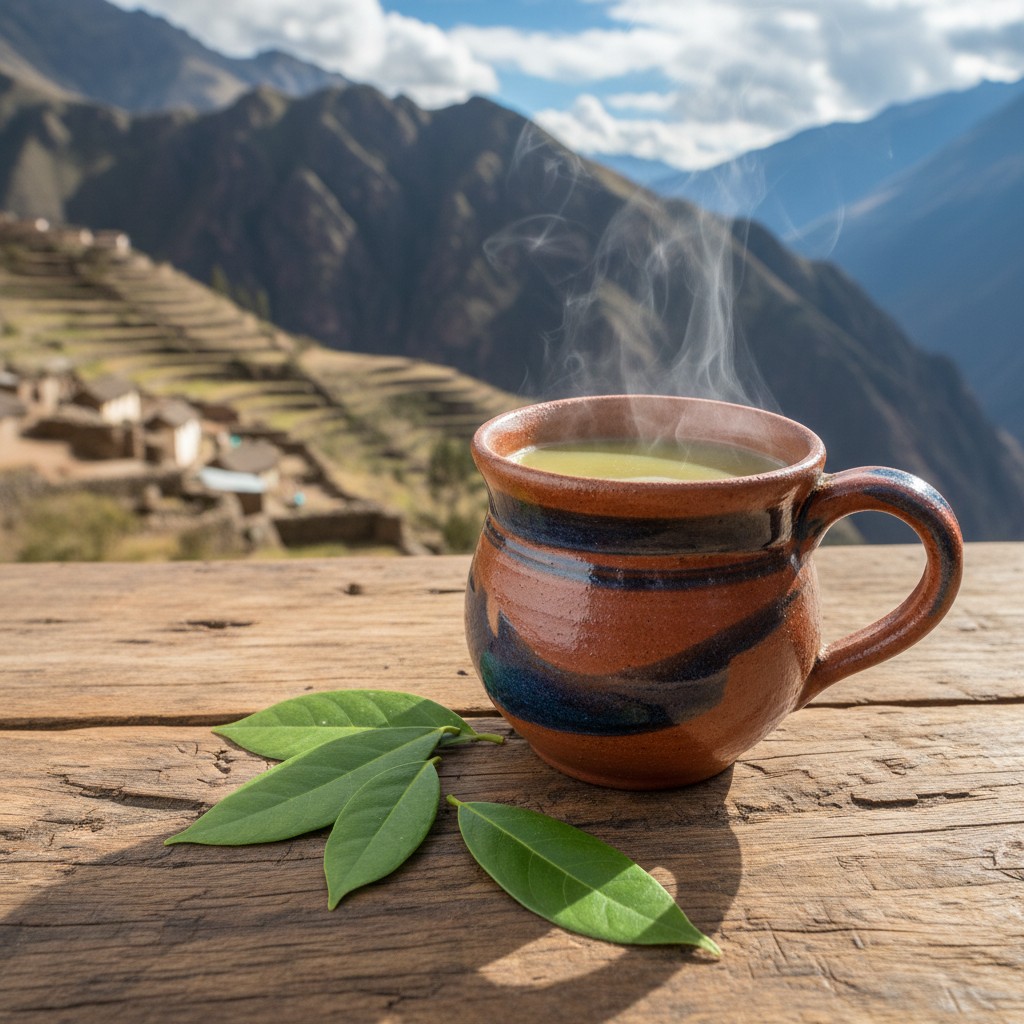
When visiting a potential spot, don't hesitate to ask about the origin of their recipe. A baker who proudly says their empanadas are 'estilo Salteño' (Salta-style) is likely aiming for that specific sweet and cheesy profile. This regional pride is a great indicator of authenticity and a deep connection to the food's cultural roots, similar to the importance of understanding Andean culture when seeking an authentic coca tea.
3. Prioritize Latin American Bakeries ('Panaderías')
Your first and best stop should be local Latin American bakeries, or 'panaderías'. These establishments are the lifeblood of many communities, producing fresh bread, pastries, and savory snacks daily. Generic cafes or restaurants might offer an empanada on their menu, but a dedicated panadería lives and dies by the quality of its baked goods. They are far more likely to use traditional recipes passed down through generations.
Look for bakeries that specify a country of origin, such as an 'Argentine Bakery' or 'Chilean Panadería'. This specialization is a strong sign that their offerings, including the empanada de humita, will be crafted with authenticity in mind. When you step inside, use your senses. Does it smell of freshly baked dough and savory fillings? Do you see locals coming in and out, ordering in Spanish? These are all positive signs.
Don't be shy about asking when the empanadas were made. A top-tier panadería will bake them in batches throughout the day. Getting one that's still warm from the oven is a transcendent experience. These bakeries are treasure troves of flavor, often offering other delights like a savory broccoli quiche or sweet facturas (pastries).
4. Explore Local Farmers' Markets
Farmers' markets are fertile ground for discovering passionate food artisans. Many home-based cooks and small-scale entrepreneurs use markets as a launchpad for their businesses. Scan the vendor list online before you go, looking for any that mention 'Latin American food,' 'empanadas,' or specific national cuisines like 'Argentine' or 'Peruvian.'
Once at the market, look for the stalls with a line—it's often the most reliable review you can get. These vendors frequently focus on a small menu of perfected items, and if empanadas de humita are on offer, they are likely to be made with great care and fresh, high-quality ingredients, sometimes sourced from the market itself. This direct-to-consumer model means you can often talk to the person who made the food.
Engage with the vendor. Ask them about their corn, their recipe's origin, and what makes their empanada special. Their passion (or lack thereof) will be immediately apparent. A vendor who can speak lovingly about the texture of their humita or the flakiness of their dough is one you can trust. This is where you find the hidden gems that no online search will ever turn up.
5. Master Your Online Search Terms
While searching for 'best empanada de humita near me' is a good start, you'll uncover more options by using more specific and alternative terms. Many places may not use the exact phrase 'empanada de humita' in their online menus or descriptions. Broaden your search with keywords that are regionally specific or descriptive.
Try searching for 'empanadas de choclo', as 'choclo' is the Quechua word for corn used widely in the Andes and is a very common name for this empanada. Also, use terms like 'Argentine bakery near me,' 'Chilean food,' or 'Peruvian restaurant.' These broader searches will bring up establishments that are likely to have humita on the menu, even if it's not listed as a primary keyword on their website.
Don't forget to use food discovery apps like Yelp, Google Maps, or DoorDash, but search within their photo sections. Users often upload pictures of menus or the food itself. A quick scroll through the image gallery for a promising restaurant can reveal an empanada de humita on the menu even if it's not mentioned in the text-based reviews or official description.
6. Read Reviews with a Detective's Eye
Online reviews are a powerful tool, but they require critical analysis. Don't just look at the star rating. Dive into the text of the reviews and search for keywords related to what you're looking for. Use the search function within a restaurant's reviews (on Yelp or Google) for terms like 'humita,' 'corn,' 'creamy,' 'flaky,' and 'authentic.'
Pay close attention to reviews written by people who seem knowledgeable or who identify as being from South America. A comment like, 'The humita empanadas taste just like the ones my abuela in Salta used to make,' is worth more than ten generic 'This place is great!' reviews. These reviewers provide context and a baseline for authenticity that is invaluable.
Conversely, be wary of reviews that are overly vague or seem to focus only on service or ambiance. Look for descriptions of the food itself. Does the reviewer mention the sweetness of the corn, the seasoning, the quality of the pastry? These details are clues that point toward a product worth trying. A detailed negative review can also be helpful if it specifically critiques the humita filling for being 'dry' or 'bland'.
7. Examine the Dough (La Masa)
The perfect empanada is a marriage of two equal partners: the filling and the dough ('la masa'). A spectacular humita filling can be ruined by a subpar pastry. The ideal dough should be flavorful in its own right—often made with butter or lard for richness—and have the right texture to complement the creamy interior. It should be sturdy enough to hold the filling without breaking, but tender enough to bite through easily.
There are two main styles of empanada dough. The first is a classic, flaky pastry dough, similar to a pie crust. This type is usually baked and results in a light, layered texture. The second is a softer, more pliable dough that can be either baked or fried. When fried, this dough becomes bubbly and crisp; when baked, it's softer and breadier. Both can be excellent, but a good bakery will have perfected their chosen style.
When you see the empanadas on display, look at the crust. Does it look golden brown and appetizing? Is the 'repulgue' (the braided seal) neat and well-crafted? A carefully sealed empanada shows attention to detail. If you can, ask if the dough is made in-house. A 'yes' is a huge indicator of quality.
8. Inquire About the Cheese
For many aficionados, the cheese is a non-negotiable component of a great empanada de humita. The right cheese melts into the creamy corn, adding a savory, salty counterpoint to the sweetness and a delightful, gooey texture. The most traditional choices are mild, white, Latin American cheeses like 'queso fresco' or 'quesillo'.
When you find a potential spot, ask what kind of cheese they use. If they use a high-quality melting cheese, it shows they understand the flavor profile. While mozzarella is a common and acceptable substitute due to its excellent melting properties, a place that sources authentic queso fresco is demonstrating a higher level of commitment to the traditional recipe.
The amount of cheese is also important. It should be present enough to make its presence known in every other bite, creating pockets of melted goodness, but it shouldn't overwhelm the delicate flavor of the corn. A perfect empanada de humita strikes a beautiful balance between the corn, the spices, and the cheese.
9. Consider the Baked vs. Fried Debate
Empanadas can be either baked ('al horno') or fried ('frita'), and this single choice dramatically changes the final product. Neither is inherently superior; it's a matter of regional tradition and personal preference. Understanding the difference will help you find the empanada that best suits your taste.
Baked empanadas are the most common style for humita. The dry heat of the oven results in a pastry that is flaky or tender, depending on the dough. This method allows the flavor of the filling to shine through without the added richness of oil. A well-baked empanada will be evenly golden-brown with a firm but delicate crust.
Fried empanadas, on the other hand, are pure indulgence. The dough puffs up in the hot oil, creating a bubbly, crispy, and slightly chewy exterior. This method is popular for street food and offers a satisfying crunch that contrasts beautifully with the soft humita filling. If you prefer a crispier texture, look for places that offer a fried option. Some of the best discoveries are made by trying both styles from the same shop to see which you prefer.
10. Evaluate the Filling-to-Dough Ratio
There is nothing more disappointing than biting into an empanada and finding a sad, hollow air pocket with a meager spoonful of filling. A hallmark of a high-quality, lovingly made empanada is a generous filling-to-dough ratio. The empanada should feel heavy and plump for its size, indicating it's packed to the brim.
The filling should fill the entire cavity of the pastry, ensuring that every bite contains both the creamy humita and the flaky crust. This not only provides better value but also creates the ideal textural and flavor experience. A well-stuffed empanada shows that the maker isn't cutting corners.
While you can't see inside before you buy, you can often judge by the weight and shape. Look for empanadas that are nicely rounded and feel substantial. Avoid ones that look flat or feel light. When you do find a place that gets this ratio right, make a note of it—it's a sign of a truly excellent producer.
11. Don't Overlook Food Trucks and Carts
In the modern culinary landscape, some of the most exciting and authentic food comes from mobile kitchens. Food trucks and street carts often specialize in a small number of dishes, allowing them to perfect their recipes. An empanada-focused food truck is a fantastic place to search for a high-quality humita.
These mobile chefs often have lower overhead, allowing them to invest in better ingredients. They are also nimble, often moving around the city and building a loyal following. Check local food truck tracking websites or social media platforms like Instagram and Facebook to find out where and when they operate. Search for hashtags like #empanadas, #[yourcity]foodtruck, or #latinfood.
Many of these mobile kitchens are marvels of efficiency, packing incredible culinary power into a small space. The level of organization required can rival even the most clever budget camper organization ideas. When you find a good one, you're not just getting a snack; you're often getting a taste of someone's passion project.
12. Look for a Proper 'Repulgue' (Seal)
The crimped or braided edge of an empanada is called the 'repulgue'. In traditional empanada shops, the style of the repulgue is a code that identifies the filling inside. While this practice may not be universal, a well-executed, handmade repulgue is always a sign of craftsmanship and care. It shows the empanadas are not mass-produced by a machine.
A proper repulgue creates a tight seal that prevents the creamy filling from leaking out during cooking. Look for a neat, uniform braid. A sloppy, hastily crimped edge (or one simply pressed with a fork, though some styles do this) might suggest a less careful approach to the entire process. It's a small detail, but it speaks volumes.
When you see a display case with various empanadas, each with a distinct and beautiful repulgue, you can be confident you're in a place that takes its craft seriously. It's the culinary equivalent of an artist signing their work—a mark of pride and tradition.
13. Check for Essential Accompaniments
While a great empanada de humita can stand on its own, the right sauce can elevate it to another level. An establishment that offers traditional, house-made sauces shows a deeper understanding of the complete empanada experience. The most common pairing for Argentine empanadas is chimichurri.
A bright, herbaceous chimichurri, made with parsley, garlic, oregano, vinegar, and oil, cuts through the richness of the pastry and complements the sweet corn filling beautifully. For empanadas with a Peruvian or Bolivian influence, look for 'salsa llajua' (pronounced ya-hwa), a fresh, spicy sauce made from tomatoes and hot rocoto peppers. Even a simple salsa criolla can be a wonderful addition.
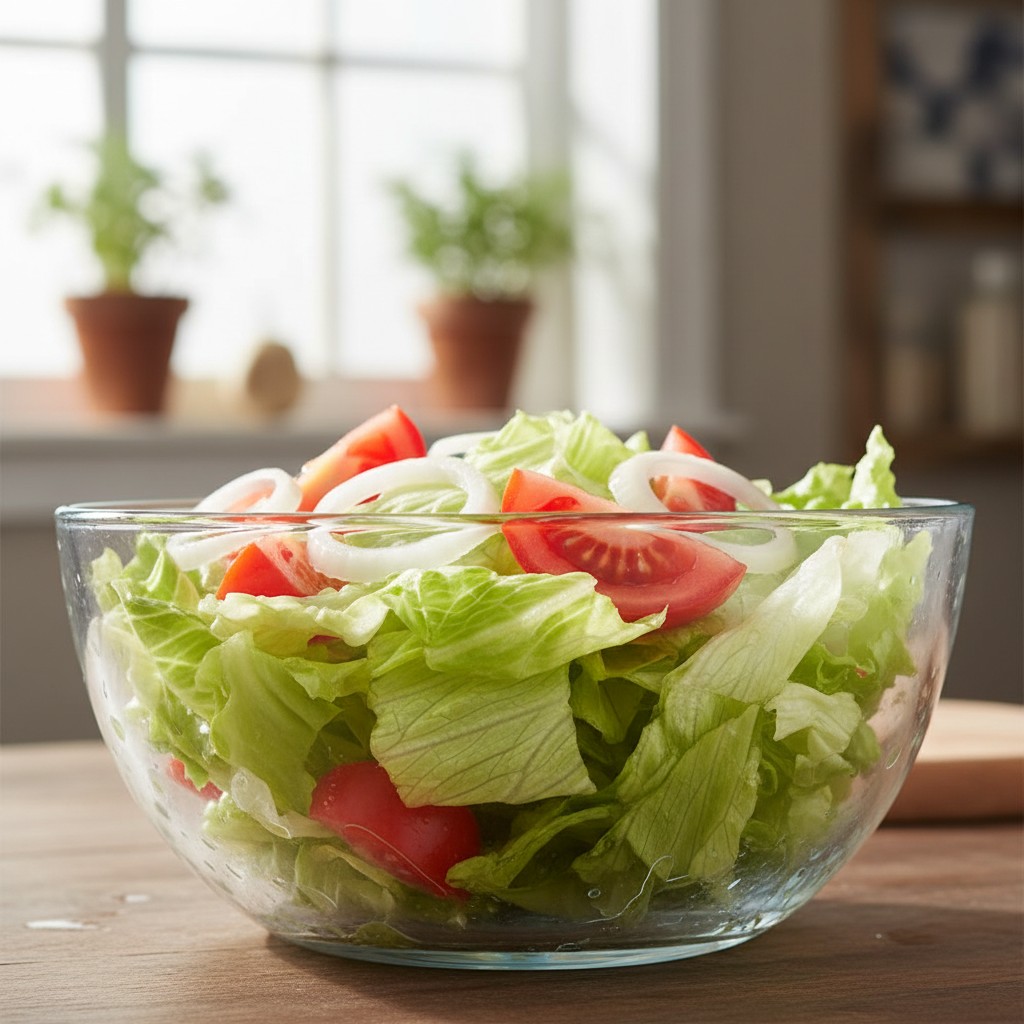
The availability of these sauces is another clue to authenticity. A place that just offers ketchup or generic hot sauce is missing the point. A restaurant that takes the time to prepare fresh, traditional accompaniments, much like serving a fresh Spanish mixed salad recipe with a meal, demonstrates a commitment to the full cultural experience.
14. Talk to the Community
The single most reliable way to find authentic food is to ask the people who grew up eating it. If you know anyone from Argentina, Chile, Peru, or Bolivia, ask them where they go for a taste of home. They will have already done the hard work of vetting local spots and will give you an honest, no-nonsense recommendation.
If you don't have direct connections, visit a Latin American grocery store or market in your area. Strike up a conversation with the staff or even other shoppers. Ask them, 'Where can I find the best empanadas de humita around here?' People are often passionate about their food culture and happy to share their favorite spots.
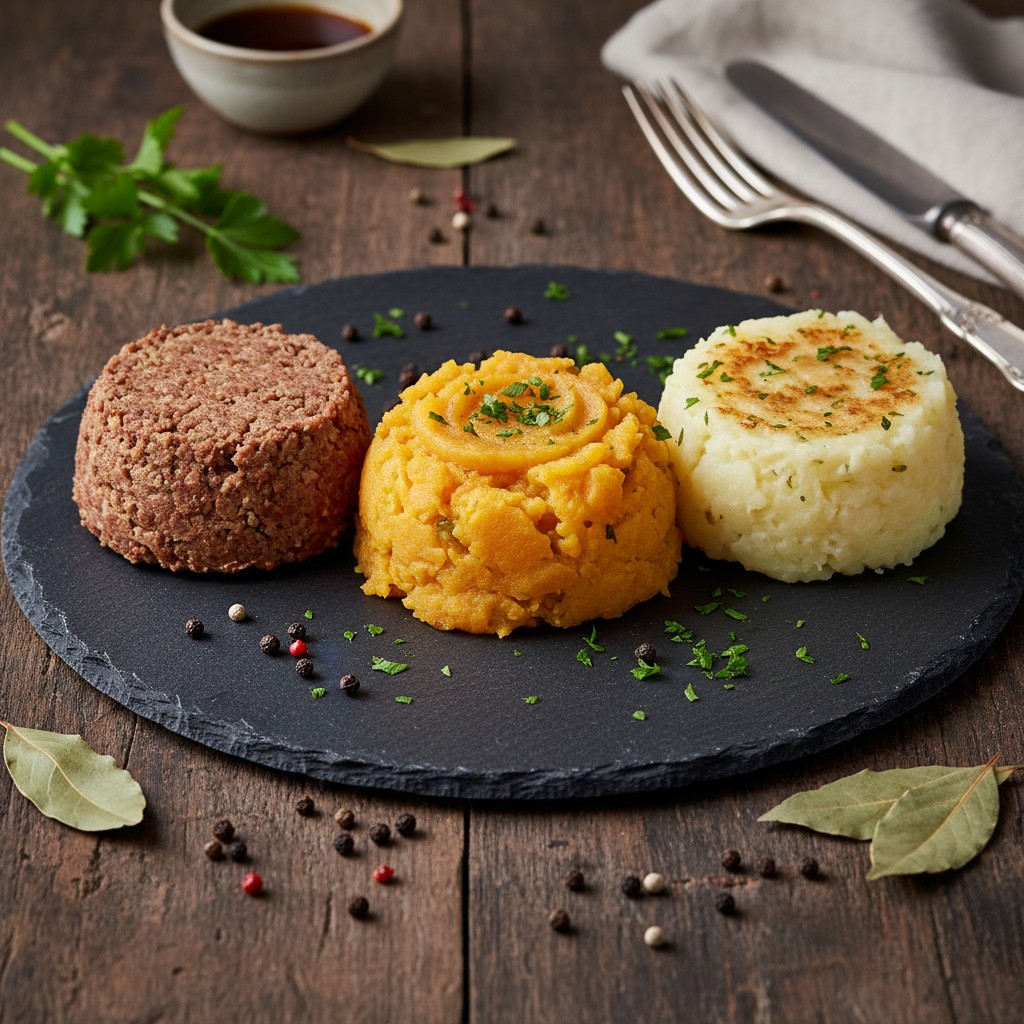
This word-of-mouth method bypasses marketing and online algorithms, leading you directly to the places cherished by the community. Just as finding the best haggis with neeps and tatties requires tapping into local Scottish knowledge, finding the best empanada de humita is a quest best guided by those with a cultural connection to it.
15. Trust Your Senses and Take a Chance
After all the research, reading, and reconnaissance, the final step is to take a chance and taste for yourself. Sometimes a place that doesn't look like much on the outside can hold the most delicious secrets. If you walk by a small, unassuming shop and the smell of baking pastry and sweet corn calls to you, listen to that instinct.
Buy one empanada to start. Break it open and examine it. Look at the steam rising from the creamy filling. Check the filling-to-dough ratio. Inhale the aroma—can you smell the sweet corn, the onion, the hint of nutmeg? Then, take a bite. Is the pastry flaky and tender? Is the filling creamy, sweet, and savory? Does it taste like it was made with care?
Finding the 'best' empanada de humita is a deeply personal journey. Your perfect empanada might be sweeter or more savory than someone else's. Use these tips as a guide, but let your own palate be the final judge. The quest itself is part of the fun, leading you to new neighborhoods and delicious discoveries.
Frequently Asked Questions
What exactly is an empanada de humita?
An empanada de humita is a type of baked or fried turnover originating from South America, particularly popular in Argentina, Chile, Peru, and Bolivia. Its defining feature is the filling, known as 'humita', which is made from a creamy paste of fresh sweet corn (choclo), sautéed onions, milk, and spices like nutmeg or basil. Many versions also include melted cheese, which adds a savory, gooey texture.
Are empanadas de humita sweet or savory?
They are typically a blend of both. The primary flavor comes from the natural sweetness of the corn, which is balanced by savory elements like sautéed onion, salt, and spices. Regional variations exist: Argentine versions are often sweeter, sometimes with a pinch of sugar, while Chilean and Peruvian versions can be more savory or even spicy with the addition of chili peppers.
What is the difference between baked and fried empanadas de humita?
The difference lies in the cooking method and resulting texture. Baked empanadas ('al horno') are cooked in an oven, resulting in a drier, pastry-like crust that can be flaky or soft, similar to a pie. Fried empanadas ('fritas') are cooked in hot oil, which causes the dough to puff up and become bubbly, crispy, and slightly chewy. Both methods are delicious, and the choice comes down to personal preference for texture.
Are empanadas de humita vegetarian?
Yes, traditional empanadas de humita are almost always vegetarian. The filling consists of corn, onion, spices, milk, and often cheese. However, it's always a good practice to ask, as some non-traditional recipes might use chicken stock or lard (pork fat) in the dough. If you are a strict vegetarian, confirm that the dough is made with butter or vegetable shortening.
What sauce is best served with empanadas de humita?
A popular and excellent pairing is chimichurri sauce. Its bright, herbaceous, and tangy flavor from parsley, garlic, and vinegar cuts through the richness of the pastry and complements the sweet and creamy filling. In Bolivian or Peruvian contexts, a spicy 'salsa llajua' is also a fantastic choice. However, a well-made empanada de humita is also delicious on its own.
Image Source: © MrDetechtive — all photos in this article are the exclusive property of MrDetechtive and may not be reproduced or reused without written permission.