15 Secrets to Finding the Perfect Ensalada Mixta
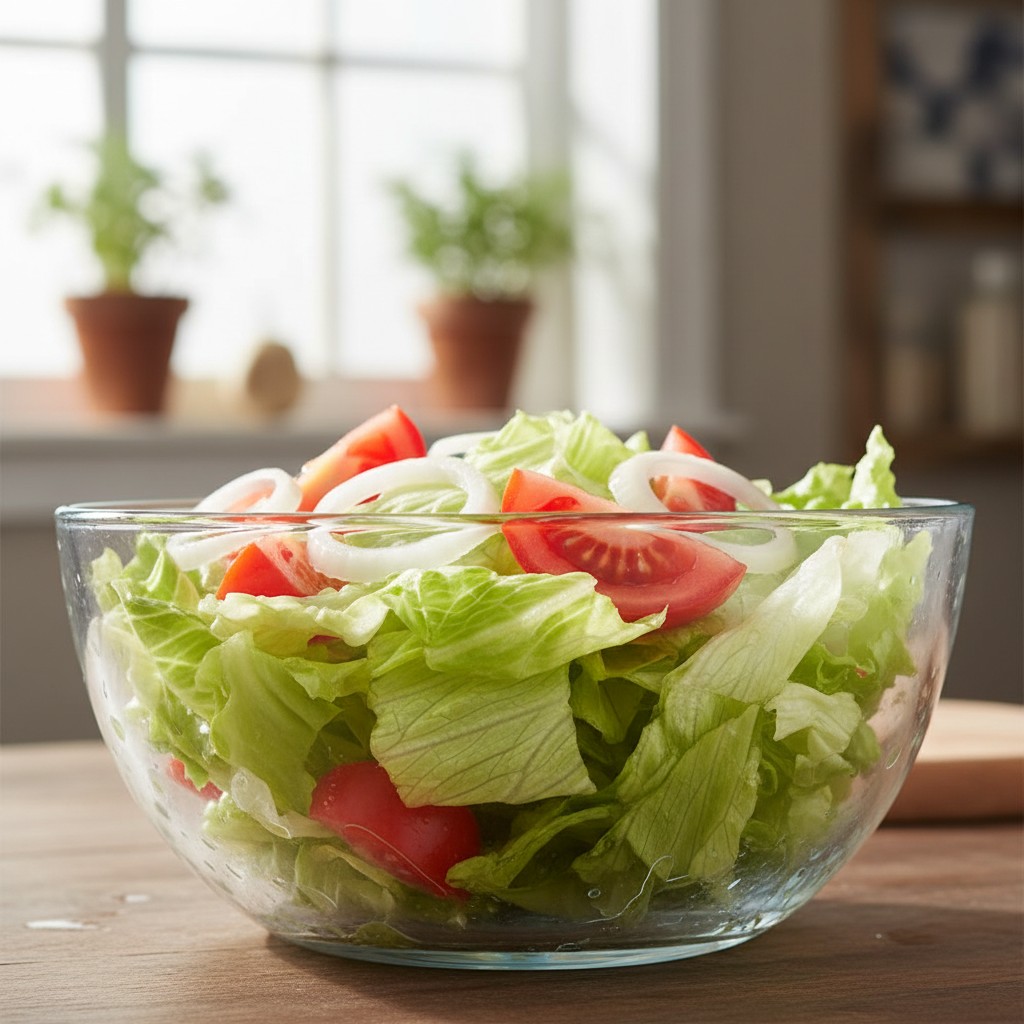
That search for the 'best ensalada mixta near me' isn't just a hunt for lunch; it's a quest for a specific, sun-drenched memory of Spain. Imagine a vibrant platter arriving at your table: crisp lettuce, glistening sun-ripened tomatoes, tender white asparagus, and the savory centerpiece of high-quality tuna, all bathed in a golden sheen of premium olive oil. This isn't just a salad; it's a cornerstone of Spanish daily life, a refreshing and satisfying meal that speaks of simplicity and quality ingredients.
But not all mixed salads are created equal. A true ensalada mixta is a delicate balance of textures and flavors, a far cry from the sad, overdressed versions often found outside of Spain. The secret lies in the quality of each component, from the type of tuna to the acidity of the vinegar. Whether you're dining out or bringing the flavors of Spain into your own kitchen, understanding these nuances is the key to experiencing this humble dish in its most glorious form.
This guide is your passport to perfection. We'll unveil 15 essential secrets that will empower you to spot an authentic ensalada mixta on any menu and to recreate it flawlessly at home. Forget disappointing salads and get ready to discover the simple, profound joy of a perfectly executed Spanish mixed salad.
1. Master the Holy Trinity: Lettuce, Tomato, and Onion
Before we even discuss the more celebrated ingredients, the success of an ensalada mixta hinges on its base: lettuce, tomato, and onion. This trio provides the foundational crunch, sweetness, and bite. In Spain, the most traditional choice for lettuce is Iceberg, prized for its watery crispness that holds up well to the vinaigrette without wilting. It acts as a refreshing, neutral canvas for the other flavors.
The tomatoes must be ripe, flavorful, and sweet. Look for varieties like Roma or vine-ripened tomatoes that have a firm flesh and low water content, which prevents the salad from becoming soggy. They should be cut into wedges or thick slices, not diced, to maintain their structural integrity and juicy bite. The quality of the tomato can single-handedly elevate the entire dish from mundane to memorable.
Finally, the onion. Typically, a mild white or sweet onion is used, sliced paper-thin. The goal is to provide a sharp, aromatic counterpoint without overwhelming the palate. If you find raw onion too pungent, you can soak the slices in ice water for about 10 minutes before adding them to the salad. This simple trick mellows the flavor while keeping the crunch perfectly intact.
2. Demand High-Quality Tuna: The Soul of the Salad
The single most important ingredient that defines an authentic ensalada mixta is the tuna. This is not the place for dry, chalky tuna packed in water. The gold standard is high-quality Spanish tuna packed in olive oil (atún en aceite de oliva). This method of preservation keeps the fish incredibly moist, tender, and infused with a rich, savory flavor that is absolutely essential to the dish.
When searching for tuna, either in a restaurant or at the store, look for specific terms. 'Bonito del Norte' (Albacore tuna) is considered the finest, known for its delicate texture and superior taste. 'Atún Claro' (Yellowfin tuna) is another excellent choice. These types of tuna are typically sold in jars or tins as whole loins or large flakes, not a shredded mush. The quality is visible the moment you open the container.
When dining out, don't be afraid to ask what kind of tuna is used. A restaurant proud of its ensalada mixta will gladly share that they use Bonito del Norte. If the menu simply says 'tuna salad' or the server is unsure, it might be a sign that they're using a lower-quality product. For an authentic experience, the quality of the tuna is the ultimate litmus test.
3. Incorporate Spanish Olives for a Briny Kick
A proper ensalada mixta requires the distinct flavor of Spanish olives. These aren't the generic black olives found in a can; they are an integral flavor component that adds a briny, fruity, and slightly bitter note. The most common variety used is the Manzanilla olive, a green, crisp, and slightly smoky olive often stuffed with pimiento.
While Manzanilla is a classic, other Spanish varieties can also be used to great effect. Arbequina olives, though small, pack a buttery and fruity flavor. If you prefer black olives, look for the cured Empeltre variety from Aragón, which has a milder, sweeter taste. The key is to use a cured Spanish olive that brings its own unique character to the salad.
When preparing the salad at home, always opt for whole or pitted olives rather than pre-sliced ones, which tend to lose their flavor and texture. Adding them whole or halved allows for surprising bursts of salty flavor. In a restaurant, the presence of quality, plump olives is another sign that the kitchen respects traditional ingredients.
4. The Essential Role of the Hard-Boiled Egg
The humble hard-boiled egg is a non-negotiable component of a classic ensalada mixta. It serves multiple purposes: adding a creamy texture, a protein boost, and a subtle richness that complements the tuna and vinaigrette. The perfect hard-boiled egg for this salad should have a firm white and a fully cooked, but still vibrant and creamy, yellow yolk.
To achieve the ideal egg, place your eggs in a saucepan and cover them with cold water by about an inch. Bring the water to a rolling boil, then immediately turn off the heat, cover the pan, and let the eggs sit for 10-12 minutes. Afterwards, transfer them to an ice bath to stop the cooking process. This method prevents the dreaded green ring from forming around the yolk and ensures a tender texture.
In the salad, the egg is typically quartered or sliced and arranged artfully on top. The creamy yolk slightly breaks down into the vinaigrette, adding another layer of emulsification and flavor. A well-cooked egg is a simple detail, but its absence or poor execution is immediately noticeable to anyone familiar with the authentic dish.
5. Seek Out Tender White Asparagus
One of the ingredients that often surprises foreigners is the inclusion of white asparagus. Unlike its green counterpart, Spanish white asparagus (espárragos blancos) is grown underground to prevent chlorophyll development, resulting in a thick, stringless, and incredibly tender spear with a delicate, slightly nutty flavor. It's a true delicacy, especially the variety from the Navarra region.
In Spain, this asparagus is almost always used from a jar or can, where it is preserved in a light brine. This is one of the rare cases in cooking where the preserved version is preferred over fresh for a specific dish. The texture is silky smooth and melts in your mouth, providing a unique textural contrast to the crisp lettuce and other vegetables. Its subtle flavor doesn't overpower but rather complements the other ingredients.
When looking for an authentic ensalada mixta, the presence of two or three thick stalks of white asparagus is a hallmark of quality. At home, look for jars labeled 'Espárragos de Navarra' for the best possible experience. Simply drain them and add them to the salad just before serving. They add a touch of elegance and a flavor that is quintessentially Spanish.
6. The Perfect Vinaigrette: Simplicity is Key
The dressing for an ensalada mixta is not a complex, herb-filled concoction; it is a celebration of two core ingredients: Spanish extra virgin olive oil and a good quality vinegar. The 'dressing' is often not even pre-mixed, but rather, the oil and vinegar are drizzled directly over the salad by the diner at the table, allowing for personal preference.
The star of the show is the olive oil. It must be a high-quality Spanish extra virgin olive oil (EVOO). Look for oils made from Picual or Arbequina olives, which offer a fruity, slightly peppery flavor profile that is robust enough to stand up to the other ingredients. The generous use of good oil is what gives the salad its characteristic sheen and luxurious mouthfeel.
For the vinegar, the most traditional choice is a Spanish sherry vinegar (vinagre de Jerez). It has a complex, nutty, and slightly sweet flavor that is less harsh than other wine vinegars. A simple red wine vinegar is also acceptable. The ratio is a matter of personal taste, but a good starting point is three parts oil to one part vinegar, plus a pinch of salt. The dressing should enhance the ingredients, not mask them.
7. Scan Restaurant Menus for Authentic Clues
When you're on the hunt for the 'best ensalada mixta near me,' the restaurant's menu is your first piece of evidence. A truly Spanish or Spanish-inspired restaurant will list it as 'Ensalada Mixta'. Be wary of generic names like 'House Salad with Tuna' or 'Mixed Green Salad,' as they often signal a departure from the traditional recipe.
Look for descriptive language. Does the menu specify any of the key ingredients we've discussed? Mentions of 'Bonito del Norte tuna,' 'white asparagus,' 'Manzanilla olives,' or 'sherry vinaigrette' are all green flags. It shows that the chef understands and values the traditional components and is sourcing them intentionally. Conversely, a list of non-traditional ingredients like bacon, cheese (other than regional exceptions), or creamy dressings is a major red flag.
Pay attention to the price as well. While not a perfect indicator, an unusually cheap ensalada mixta might suggest the use of lower-quality ingredients, such as tuna in water or generic olives. A price that reflects the use of premium imported ingredients like Bonito del Norte is often a good sign that you're in for an authentic treat.
8. Read Online Reviews with a Critical Eye
Online review platforms are a powerful tool in your search, but they must be navigated with a bit of detective work. When you search for reviews, don't just look at the star rating. Use the search function within a restaurant's reviews to look for keywords like 'ensalada mixta,' 'tuna,' or 'Spanish salad.' This will pull up specific feedback on the dish you're interested in.
Pay close attention to the photos posted by other diners. Do you see the key components? Are there thick stalks of white asparagus? Large flakes of tuna? Plump olives? Or does it look like a generic garden salad with a scoop of shredded tuna on top? A picture is worth a thousand words and can often tell you more about authenticity than a written review.
Learn to distinguish between a reviewer who knows what an ensalada mixta should be and one who doesn't. A review complaining that the salad was 'too simple' or 'just had oil and vinegar' might actually be a sign of authenticity! Look for reviews from people who seem to have a passion for Spanish food or mention other Spanish dishes knowledgeably. Their opinion on the ensalada mixta will likely be the most reliable.
9. Explore Regional Variations
While the classic ensalada mixta has a core set of ingredients, Spain is a country of diverse regions, and many have their own subtle variations. Being aware of these can enrich your understanding and appreciation of the dish. For example, in some parts of Andalusia, you might find the addition of sweet corn or shredded carrots for extra sweetness and color.
In the Basque Country or Catalonia, it's common to find roasted red bell peppers (pimientos asados) included in the mix. These peppers add a smoky, sweet, and tangy element that pairs beautifully with the tuna and olive oil. Some variations might also include other types of preserved vegetables, known as 'conservas,' which are highly prized in Spanish gastronomy.
When you encounter these variations, don't immediately dismiss them as inauthentic. Instead, consider the regional context. A restaurant specializing in Basque cuisine might rightfully include roasted peppers in its ensalada mixta. The key is that these additions should feel like a thoughtful, traditional enhancement rather than a random assortment of whatever vegetables were available in the kitchen.
10. The Freshness Factor: Signs of a Well-Made Salad
A top-tier ensalada mixta is always assembled à la minute (at the moment of ordering). This ensures that every component is at its peak of freshness and texture. The most obvious sign of this is the lettuce. It should be crisp, cold, and vibrant, with no signs of wilting, browning, or sogginess. If the lettuce looks tired, the salad has likely been sitting around.
Observe the other ingredients. The tomatoes should be firm and juicy, not mealy or watery. The onions should have a sharp, fresh bite. If the salad arrives at your table looking pre-tossed and swimming in dressing, it's a clear indication that it was made in a large batch ahead of time. The vinaigrette should lightly coat the ingredients, not drown them.
Another subtle clue is the temperature. The salad should be cool and refreshing. The vegetables should feel chilled and crisp, a delightful contrast to the room-temperature tuna and eggs. A lukewarm or room-temperature salad suggests that the ingredients were not properly stored or that the dish was assembled long before it was served. Freshness is a hallmark of respect for the ingredients, and it's something you can taste immediately.
11. Making It at Home: Sourcing Authentic Ingredients
Recreating the perfect ensalada mixta at home is immensely satisfying, but it requires sourcing the right ingredients. You may not find everything at your standard chain supermarket. Seek out specialty food stores, Italian or Spanish delis, or well-stocked international markets. These are the places where you're likely to find the true stars of the show.
Prioritize your shopping list. The most crucial items to find are the Bonito del Norte or Atún Claro packed in olive oil, Spanish sherry vinegar (Vinagre de Jerez), and jarred white asparagus (espárragos blancos). Don't compromise on these three items, as they make the biggest difference in authenticity and flavor. For the olive oil, choose a Spanish extra virgin variety that you enjoy.
Many of these specialty items are also available online. This can be a great option if you don't have a local specialty store. While it may seem like an effort to track down these specific products, once you taste the difference they make, you'll understand why it's worth it. Stocking your pantry with these staples means a perfect ensalada mixta is never more than a few minutes away.
12. The Art of Assembly: Layering for Success
In Spain, an ensalada mixta is rarely tossed together in a bowl. It is typically composed or arranged on a large, flat platter. This presentation style is not just for aesthetics; it allows each ingredient to shine and lets diners pick and choose their perfect bite. The layering and arrangement are part of the tradition.
Start by creating a bed of the crisp, chopped lettuce. Next, arrange the tomato wedges and thinly sliced onions over the lettuce. Now, create distinct sections for the other ingredients. Place the hard-boiled egg quarters in one area, the white asparagus spears in another, and a generous scattering of olives throughout. This 'deconstructed' approach keeps the textures separate and appealing.
The final and most important step is to crown the salad with the tuna. Gently break up the large flakes of oil-packed tuna and place them right in the center, making it the clear focal point. Do not drain the oil from the tuna can! Drizzle some of this flavorful, tuna-infused oil over the entire salad along with your extra virgin olive oil and sherry vinegar. This is the ultimate pro move for flavor.
13. Don't Overdress It
One of the most common mistakes in salad making, especially outside of Spain, is overdressing. The goal of the vinaigrette in an ensalada mixta is to lightly coat and season the ingredients, adding moisture and a touch of acidity. It should never pool at the bottom of the plate or make the lettuce soggy. The Spanish approach is one of subtlety and restraint.
As mentioned, the traditional way to dress the salad is at the table. Restaurants will bring cruets of oil and vinegar for the diner to apply themselves. When making it at home, adopt this philosophy. Add the salt first, directly onto the tomatoes to draw out their juices. Then, drizzle generously with olive oil, followed by a more restrained drizzle of sherry vinegar. This sequence (salt, oil, vinegar) is considered classic.
Gently toss the salad with your hands or two large spoons just before serving, or simply let everyone dress their own portion. Remember to include some of the oil from the tuna can for an extra layer of savory depth. By dressing it lightly, you allow the individual flavors of the high-quality tuna, ripe tomatoes, and briny olives to remain distinct and delicious.
14. Pairing Your Ensalada Mixta
While an ensalada mixta can certainly be a light meal on its own, it also serves as a perfect first course or a side dish. The key to pairing is to choose flavors that complement its fresh, savory profile without overpowering it. A basket of crusty bread is an absolute must for mopping up the delicious, oily, vinegary juices at the bottom of the plate.
For a wine pairing, you can't go wrong with a crisp, dry Spanish white wine. An Albariño from Rías Baixas, with its bright acidity and citrus notes, is a classic match that cuts through the richness of the tuna and oil. A Verdejo from Rueda or even a dry Spanish rosado (rosé) would also work beautifully, enhancing the salad's refreshing qualities.
As a starter, ensalada mixta paves the way for a variety of Spanish main courses. It pairs wonderfully with grilled fish, a simple 'bistec' (steak), or a classic 'tortilla Española' (Spanish omelet). On a hot day, a large ensalada mixta followed by a plate of cured Jamón Ibérico and some Manchego cheese can be a perfect, no-cook meal.
15. Trust Your Palate: The Ultimate Judge
After all the research, ingredient sourcing, and menu scanning, the final verdict comes down to your own taste. While this guide provides the blueprint for an authentic, classic ensalada mixta, food is a personal experience. The 'best' version is the one that brings you the most enjoyment.
Perhaps you prefer a little more vinegar, or maybe you enjoy the addition of roasted red peppers you had once in Seville. Don't be afraid to make small adjustments when cooking at home. The foundation of quality ingredients—especially the tuna and olive oil—gives you the freedom to play with the other components slightly to suit your preference.
When you're dining out and find a place that makes an ensalada mixta you love, make a note of it. It might not tick every single box on the 'authenticity' checklist, but if it's made with fresh ingredients and tastes delicious, then you've successfully completed your quest. You've found the best ensalada mixta near you.
Frequently Asked Questions
What is the main difference between an ensalada mixta and a regular garden salad?
The main difference lies in the specific, core ingredients. While a garden salad can have a wide variety of vegetables and dressings, a traditional Spanish ensalada mixta has a defined set of components: lettuce, tomato, onion, hard-boiled egg, and most importantly, high-quality Spanish tuna packed in olive oil. The dressing is also distinctively simple, consisting only of Spanish extra virgin olive oil, sherry vinegar, and salt.
Can I make a vegetarian or vegan version of ensalada mixta?
Yes, you can. To make it vegetarian, simply omit the tuna. The combination of egg, white asparagus, olives, and fresh vegetables still makes a delicious and satisfying salad. For a vegan version, you would omit both the tuna and the egg. To add a savory, protein-rich element, you could substitute with chickpeas (garbanzos) or thick, marinated white beans.
What's the best type of olive oil to use for the vinaigrette?
You should always use a high-quality Spanish Extra Virgin Olive Oil (EVOO). The specific type comes down to preference. A Picual olive oil will give you a peppery, robust flavor, while an Arbequina oil is fruitier and milder. The key is to use an oil with a flavor you enjoy, as it's a dominant component of the dressing. Avoid 'light' or 'pure' olive oils, as they lack the flavor needed.
How can I tell if the ingredients in a restaurant's ensalada mixta are fresh?
Look for visual and textural cues. The lettuce should be crisp and vibrant, not wilted or brown. The tomatoes should look firm and brightly colored, not mushy. The salad should not be swimming in dressing; it should be lightly coated. A fresh salad will also be cool and refreshing to the taste, indicating the ingredients have been properly chilled and assembled to order.
Are there any common ingredients that *don't* belong in an authentic ensalada mixta?
While regional variations exist, some ingredients are generally considered out of place in a classic ensalada mixta. These include things like croutons, bacon bits, shredded cheddar cheese, and heavy, creamy dressings like ranch or thousand island. The spirit of the salad is in its fresh, Mediterranean simplicity, so additions that feel heavy or non-Spanish are usually a sign of a departure from the authentic recipe.
Image Source: © MrDetechtive — all photos in this article are the exclusive property of MrDetechtive and may not be reproduced or reused without written permission.