17 Insider Tips to Find the Best Haggis with Neeps and Tatties
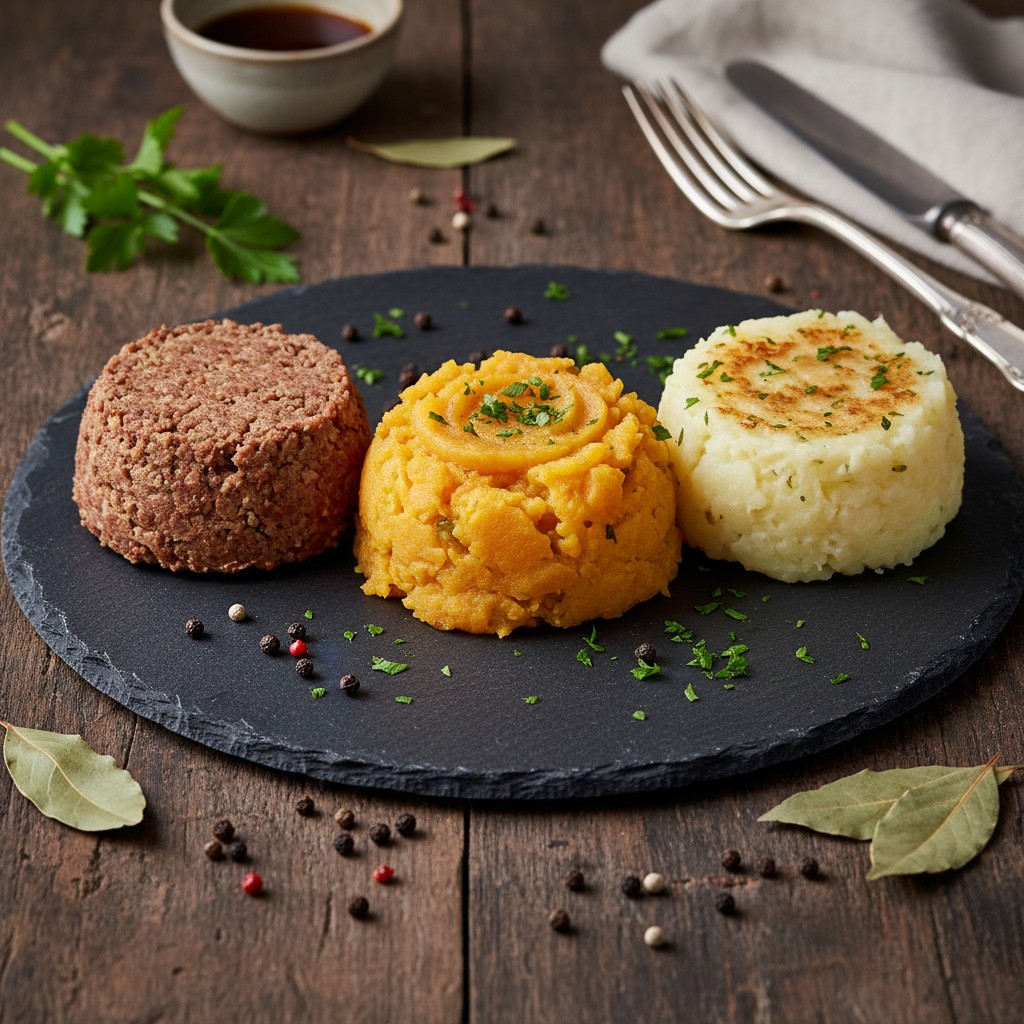
Forget everything you think you know about Scotland's most famous dish; the quest for perfect haggis is a journey into the heart of a nation's culinary pride. More than just a quirky tradition, a well-made plate of haggis with neeps and tatties is a savory, peppery, and deeply satisfying experience that warms the soul. It's a dish of history, poetry, and robust flavor that has been misunderstood for far too long. Your search for the 'best haggis with neeps and tatties near me' isn't just about finding a meal; it's about discovering an authentic taste of Scottish heritage.
This guide is your compass for navigating the world of Scottish cuisine, whether you're in Glasgow, London, or New York. We'll move beyond the myths and dive into the practical details that separate a disappointing tourist trap from a truly memorable dish. From identifying the signs of a quality establishment to understanding the nuances of the perfect whisky sauce, these tips will empower you to become a true haggis connoisseur. Let's begin this delicious adventure and find you a plate worthy of a toast.
1. Understand the Holy Trinity: Haggis, Neeps & Tatties
Before you can find the best, you must know what you're looking for. The heart of the dish is, of course, the haggis. Traditionally, it's a savory pudding containing sheep's pluck (heart, liver, and lungs), minced with onion, oatmeal, suet, spices, and stock. Don't let the ingredients deter you; when prepared correctly, the result is a crumbly, peppery, and richly flavored delicacy with a texture similar to a rustic meatloaf or a coarse sausage.
Next are the 'neeps,' which are mashed swedes (also known as rutabagas in North America). They should be sweet, earthy, and vibrant orange, providing a perfect counterpoint to the savory haggis. They are not turnips, which are smaller and have a sharper flavor. A restaurant that uses the correct vegetable is already showing its commitment to authenticity.
Finally, the 'tatties' are simply mashed potatoes. The best tatties for this dish are creamy, buttery, and fluffy. They provide a comforting, neutral base that balances the peppery haggis and the sweet neeps. The quality of the mash is a small but significant detail that elevates the entire meal from good to great.
2. Prioritize Dedicated Scottish Pubs and Restaurants
Your most reliable starting point is an establishment that proudly waves the Saltire. A dedicated Scottish pub or restaurant is far more likely to treat haggis with the respect it deserves. These venues often have chefs with experience in traditional Scottish cooking and source their ingredients with care. Look for names that evoke Scotland, decor featuring tartan, and a bar well-stocked with Scotch whisky.
These places don't just serve haggis; they celebrate it. They understand it's not a novelty item but a cornerstone of their culinary identity. This passion translates directly to the plate. The staff will likely be knowledgeable and can tell you about their specific haggis, from its origin to its unique spice blend.
Check their full menu. If you see other Scottish classics like Cullen Skink (smoked haddock chowder), Cranachan (a dessert of oats, cream, whisky, and raspberries), or a Scotch egg, you're in the right place. A comprehensive Scottish menu indicates a genuine commitment to the cuisine, not just a token effort.
3. Look for Burns Night Menus and Specials
One of the biggest indicators of a restaurant that takes its haggis seriously is the celebration of Burns Night. Held annually on January 25th, it's a tribute to the poet Robert Burns, who immortalized the dish in his poem 'Address to a Haggis.' Restaurants that host a Burns Supper go all out, often featuring a piper, the formal 'address,' and a multi-course meal centered around the main event.
Even if it's not January, check the restaurant's website or social media for mentions of past Burns Night events. A venue that invests in this tradition is deeply connected to Scottish culture and is almost guaranteed to serve a high-quality haggis year-round. They have a practiced hand and a discerning clientele to please.
These special menus often showcase the best version of their haggis. They might use a premium supplier or have the chef create a special batch for the occasion. If you find a place that offers a 'flight' of haggis (e.g., traditional, vegetarian, and a modern twist), you've discovered a culinary gem that truly understands and respects the dish.
4. Ask About the Haggis's Origin
Don't be shy; ask your server where their haggis comes from. This single question can tell you volumes about the quality. The gold standard is haggis imported directly from a reputable Scottish butcher, like Macsween or Charles Macleod. These producers have perfected their recipes over generations and are the benchmark for flavor and texture.
Alternatively, an excellent answer is 'we make it in-house.' A chef who takes the time and effort to craft their own haggis is passionate and skilled. This allows for a unique recipe and guarantees freshness. Ask what makes their version special—perhaps they use a local lamb or a secret spice blend. This is a sign of a chef who is proud of their craft.
A less encouraging sign is a vague answer or an admission that it's a generic, mass-produced frozen product. While not always a deal-breaker, it suggests the haggis is an afterthought rather than a star attraction. The best establishments are transparent and proud of their sourcing.
5. The Whisky Sauce Is Not an Option, It's Essential
A great haggis is made sublime by its accompanying sauce. A proper whisky sauce is a creamy, savory, and slightly piquant gravy that beautifully complements the peppery meat. It should have a noticeable but not overpowering flavor of Scotch whisky, which adds depth and a touch of smoky sweetness.
Look for a sauce with a creamy consistency, not a thin, watery jus. It should be rich enough to coat the back of a spoon. The best sauces are made with good quality stock, double cream (heavy cream), a knob of butter, and a decent single malt or blended Scotch. A sauce made with cheap cooking whisky will have a harsh, alcoholic bite rather than a smooth, integrated flavor.
When you see it on the menu, it should be described as something like 'whisky cream sauce' or 'Drambuie sauce' (which adds a honeyed, herbal note). If the dish is served dry or with a generic brown gravy, it's a major red flag. The sauce is not a garnish; it's a fundamental component that ties the haggis, neeps, and tatties together.
6. Consider the Vegetarian Haggis Option
The presence of a vegetarian haggis on the menu is an excellent sign, even for meat-eaters. It shows that the kitchen is thoughtful, inclusive, and skilled enough to create a complex, flavorful dish without relying on meat. A good 'veggie haggis' is a delicious dish in its own right, not just a bland substitute.
Authentic vegetarian haggis recipes are packed with lentils, beans, mushrooms, nuts, seeds, and assorted vegetables, all bound together with the requisite oatmeal and a rich blend of spices. The goal is to replicate the savory, peppery, and earthy profile of the original. When done well, it's hearty, satisfying, and a fantastic culinary experience.
A restaurant that puts effort into its vegetarian option likely applies the same high standards across its entire menu. If you're exploring hearty, savory vegetarian dishes, you might also find that a well-made savory tart recipe, like a Spanish broccoli pie, can be equally satisfying.
7. Read Online Reviews with a Discerning Eye
While star ratings are a starting point, you need to dig deeper. Search for reviews that specifically mention the haggis. Look for descriptive language. Does the reviewer talk about the 'peppery spice,' the 'creamy tatties,' or the 'rich whisky sauce'? These details suggest an authentic and well-prepared dish.
Pay attention to who is writing the review. A comment from a self-proclaimed Scottish expat praising the haggis as 'a taste of home' carries more weight than a tourist who found it 'weird.' Filter out reviews that simply comment on the novelty and focus on those that critique the dish's flavor, texture, and execution.
Use search terms within the reviews section of sites like Yelp, Google Maps, or TripAdvisor. Search for 'haggis,' 'Burns Night,' 'neeps,' and 'whisky sauce' to quickly find the most relevant feedback. Consistent praise for these specific elements across multiple reviews is a very strong positive signal.
8. Observe the Presentation
How the dish arrives at your table can be telling. The most traditional presentation is a simple, rustic plating with a scoop of each component side-by-side. This 'no-frills' approach is common in cozy pubs and suggests a focus on flavor over fuss. It's honest and comforting.
A more modern and very popular presentation is to stack the three elements using a ring mold, creating a neat tower of tatties, neeps, and haggis. This shows a higher level of attention to detail and presentation, often found in gastropubs or more upscale restaurants. It's visually appealing and allows you to get a bit of everything in each bite.
Regardless of the style, the dish should look appetizing. The neeps should be a rich orange, the tatties white and creamy, and the haggis a deep, savory brown. A sloppy, colorless plate suggests a lack of care in the kitchen. A thoughtful presentation, whether rustic or modern, indicates pride in the dish.
9. Pair It with the Perfect Scottish Drink
What you drink with your haggis is almost as important as the dish itself. The classic and most celebrated pairing is a glass of Scotch whisky. The smoky, peaty notes of an Islay malt like Laphroaig or Ardbeg cut through the richness of the haggis, while the smoother, sweeter profile of a Speyside whisky like Glenfiddich or The Macallan can complement its peppery spice.
If a dram of neat whisky feels too intense, a Scottish ale is another fantastic choice. Look for a rich, malty ale like a Wee Heavy or a Scotch Ale. These beers have caramel and toffee notes that harmonize beautifully with the savory haggis without overpowering it. A good Scottish pub will have several options on tap.
Ask the staff for a recommendation. A knowledgeable bartender or server can suggest the perfect whisky or beer pairing from their selection to match the specific flavor profile of their haggis. Their ability to give a confident, reasoned suggestion is another mark of a quality establishment.
10. Don't Be Afraid of the Ingredients
Let's address the elephant in the room: the offal. The traditional use of sheep's pluck is what gives haggis its unique, deep, and savory flavor. It's a prime example of nose-to-tail eating, a sustainable practice that has been part of cooking for centuries. When you think about it, it's no different from eating a pâté, liverwurst, or blood sausage, all of which are considered delicacies in other cuisines.
The flavor is not 'gamey' or 'offal-y' in the way you might fear. The liver adds a rich, irony depth, the heart provides a firm, meaty texture, and the lungs (which are often omitted in modern recipes, especially in the US) add a light, airy quality. The key is the masterful blend of these with toasted oatmeal, onions, and a warming mix of spices like black pepper, nutmeg, and mace.
The end result is a cohesive and delicious whole that tastes much more like a rustic, peppery sausage or stuffing than its individual components. Approach it with an open mind and you'll be rewarded with one of the world's great savory dishes. A good haggis is a testament to the idea that humble ingredients can create something extraordinary.
11. Seek Out Fine Dining Interpretations
Don't limit your search to pubs. Many contemporary and fine dining restaurants, especially those with a focus on modern British or Scottish cuisine, are re-imagining haggis in exciting ways. These chefs appreciate the flavor profile and are presenting it in new and inventive forms.
Look for variations like 'haggis bonbons' or 'haggis fritters,' which are small, breaded, and deep-fried balls of haggis often served with a whisky-mustard mayonnaise as an appetizer. You might also find it used as a stuffing for chicken breast (a dish known as Chicken Balmoral) or incorporated into a sophisticated tart.
These interpretations show a deep respect for the original while demonstrating culinary creativity. Finding a restaurant that successfully innovates on a classic suggests a highly skilled kitchen. Trying a deconstructed or modernized version can be a fantastic way to appreciate the core flavors in a new light.
12. Ask Locals and Expat Communities
The best recommendations often come from word-of-mouth. If you're in a city with a significant Scottish or British population, they will know where to find a proper taste of home. Don't hesitate to strike up a conversation and ask for their favorite spot.
Leverage the power of the internet. Search for local Scottish expat groups on social media platforms like Facebook or Reddit. Posing a question like, 'Where can I find the most authentic haggis, neeps, and tatties in [Your City]?' will likely yield passionate and detailed responses from people who know what they're talking about. These communities are goldmines for uncovering hidden gems.
This approach is especially useful when traveling. If your quest for haggis is part of a road trip through Scotland or the UK, local advice is invaluable. Speaking of travel, staying organized on the road is key to a stress-free adventure; applying some smart campervan storage solutions can make your culinary journey that much more enjoyable.
13. Check Out High-End Butchers
Sometimes the best haggis near you is in your own kitchen. High-end butchers, especially those specializing in British or European goods, often stock excellent quality, pre-made haggis that you simply need to heat through. This gives you complete control over the neeps, tatties, and sauce.
Look for butchers that source their haggis from renowned Scottish producers. They may offer it in various sizes, from individual portions to large ceremonial haggis. This is an excellent option if you want to host your own Burns Supper or simply enjoy a restaurant-quality meal at home.
Cooking a pre-made haggis is incredibly simple. It typically just needs to be simmered in water or baked in the oven until piping hot. This allows you to focus on perfecting your mashed neeps and tatties and crafting your own signature whisky cream sauce, giving you a truly personalized and authentic experience.
14. Look for It During Scottish Festivals
Beyond Burns Night, keep an eye out for other Scottish cultural events. St. Andrew's Day (November 30th) and Hogmanay (New Year's Eve) are other key dates in the Scottish calendar when pubs and restaurants are likely to feature haggis specials.
Highland Games and Scottish festivals, which are popular in many parts of the world with Scottish diaspora, are also fantastic places to find haggis. Food vendors at these events often specialize in traditional Scottish fare. While the setting might be more casual, the passion for authenticity is often very high.
These events provide a concentrated opportunity to sample haggis from various vendors. You can try it in different forms, from a full plate with neeps and tatties to a more portable 'haggis supper' with chips (fries). It's a fun, festive way to immerse yourself in the culture and the cuisine.
15. Understand Its Place in Culinary Culture
Appreciating haggis goes beyond just its taste; it involves understanding its cultural weight. This dish is a symbol of Scottish identity, resilience, and thriftiness. It represents a history of making something delicious and sustaining from humble ingredients. Every nation has a dish that tells its story, a plateful of history and identity.
Much like how Peruvians seek out the most authentic Peruvian food to connect with their heritage, the search for genuine haggis is a rewarding culinary journey into the heart of Scotland. When you eat it, you're partaking in a tradition celebrated by poets, peasants, and princes for centuries.
This context makes the meal more meaningful. The restaurant that understands this cultural importance—perhaps by having the 'Address to a Haggis' on its menu or by its staff sharing stories—is one that truly cherishes the dish. This reverence is almost always reflected in the quality of the food they serve.
16. Evaluate the Texture of the Neeps and Tatties
We've discussed the ingredients, but texture is paramount. The 'tatties' should be smooth and creamy, never lumpy or watery. A good mash requires the right potato variety (like a Maris Piper or Russet), plenty of butter, and a touch of milk or cream. It should be a comforting pillow of flavor.
The 'neeps,' on the other hand, are often served slightly more rustic. A little bit of texture in the mashed swede is desirable, giving it a more substantial, homemade feel compared to the perfectly smooth potatoes. Their natural sweetness should be the star, enhanced simply with butter and a pinch of salt and pepper.
A plate where both mashes are an identical, overly processed purée suggests a lack of attention to detail. The subtle contrast in texture between the creamy tatties and the more robust neeps is a key part of what makes the trio work so well together. It's a small detail that a good chef will always get right.
17. Consider the Overall Meal Balance
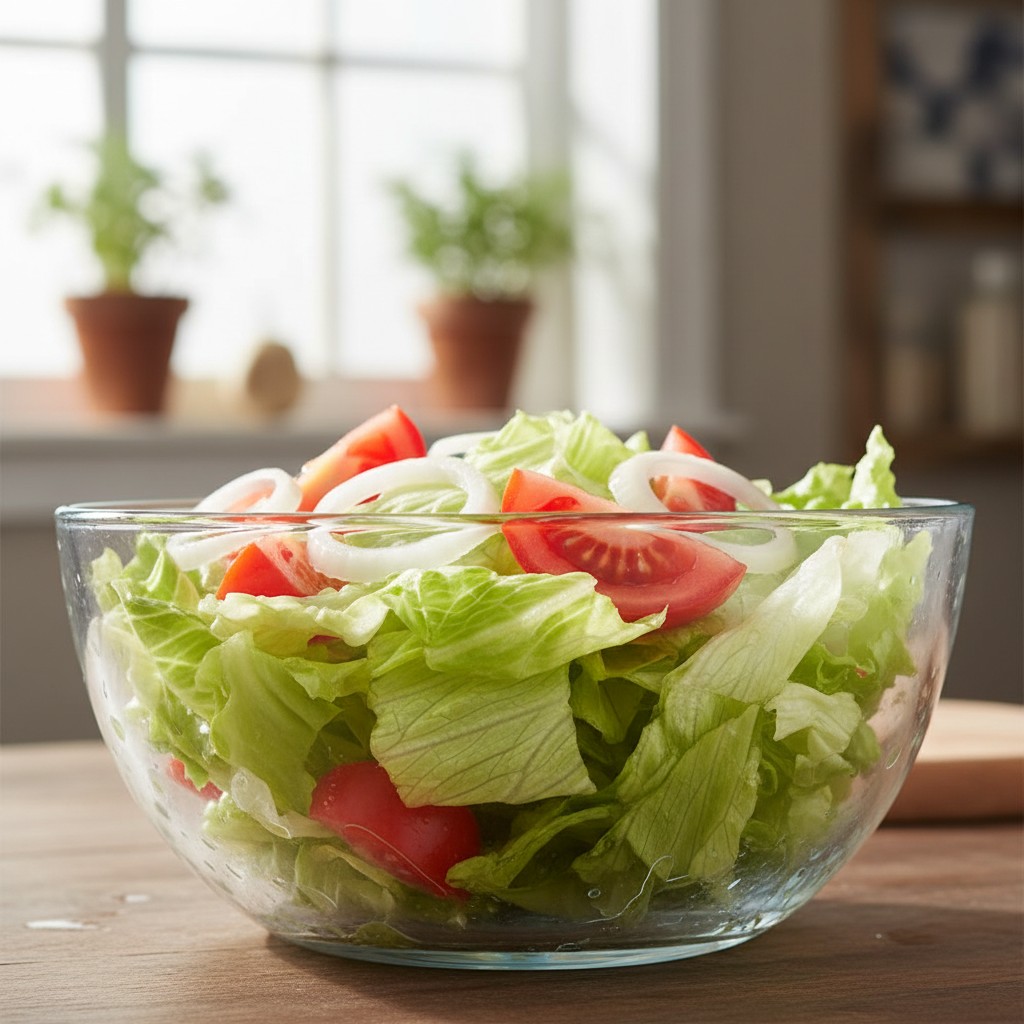
Haggis, neeps, and tatties is an undeniably rich and hearty meal. A truly great restaurant understands this and may offer ways to balance the plate. While not traditional, offering a small side of simple green salad with a light vinaigrette can be a welcome addition to cut through the richness.
This consideration for balance can also be seen in portion size. The goal is to leave you feeling satisfied, not uncomfortably stuffed. A well-judged portion shows that the chef understands their food and respects their diners' experience. It's about quality, not just sheer quantity.
Some menus might offer lighter fare that can be enjoyed alongside or as an alternative. A fresh dish, like the classic what is in ensalada mixta, provides a crisp, refreshing counterpoint in Mediterranean cuisine, and a similar principle of balance can be applied here. A menu that offers both hearty and light options demonstrates a well-rounded culinary philosophy.
Frequently Asked Questions
What exactly is in traditional haggis?
Traditional haggis is a savory pudding made from sheep's 'pluck' (heart, liver, and lungs), minced with onion, oatmeal, suet (fat), and a blend of spices like black pepper, nutmeg, and mace. This mixture is traditionally encased in the animal's stomach and simmered. The result is a crumbly, peppery, and richly flavored dish with a texture similar to a coarse meatloaf.
What do 'neeps and tatties' actually mean?
'Neeps' and 'tatties' are the Scots words for the two traditional vegetable accompaniments. 'Neeps' are mashed swedes (also known as rutabagas), which are a root vegetable with a sweet, earthy flavor and an orange hue. 'Tatties' are mashed potatoes, which should be creamy and buttery to balance the other components.
Is vegetarian haggis any good?
Yes, a well-made vegetarian haggis can be incredibly delicious. Instead of meat, it uses a savory combination of lentils, beans, mushrooms, nuts, seeds, and vegetables, bound with the traditional oatmeal and spices. It aims to capture the same peppery, earthy, and hearty character of the original. The presence of a good vegetarian haggis on a menu is often a sign of a quality, thoughtful kitchen.
What is the best drink to have with haggis?
The classic and most highly recommended pairing is Scotch whisky. A smoky Islay malt can cut through the richness, while a smoother Speyside malt can complement the spice. If you're not a whisky drinker, a rich, malty Scottish ale (like a Wee Heavy) is another excellent choice. Both beverages have the depth of flavor needed to stand up to the robust haggis.
Can I find good haggis outside of Scotland?
Absolutely. Thanks to Scottish diaspora and the dish's growing popularity, you can find excellent haggis in many parts of the world, especially in the US, Canada, Australia, and England. The key is to look for dedicated Scottish pubs, restaurants that celebrate Burns Night, or specialty butchers that import haggis directly from Scotland or make their own high-quality version in-house.
Image Source: © MrDetechtive — all photos in this article are the exclusive property of MrDetechtive and may not be reproduced or reused without written permission.