17 Pro Tips for Finding the Best Ensalada de Papa y Huevo Near You
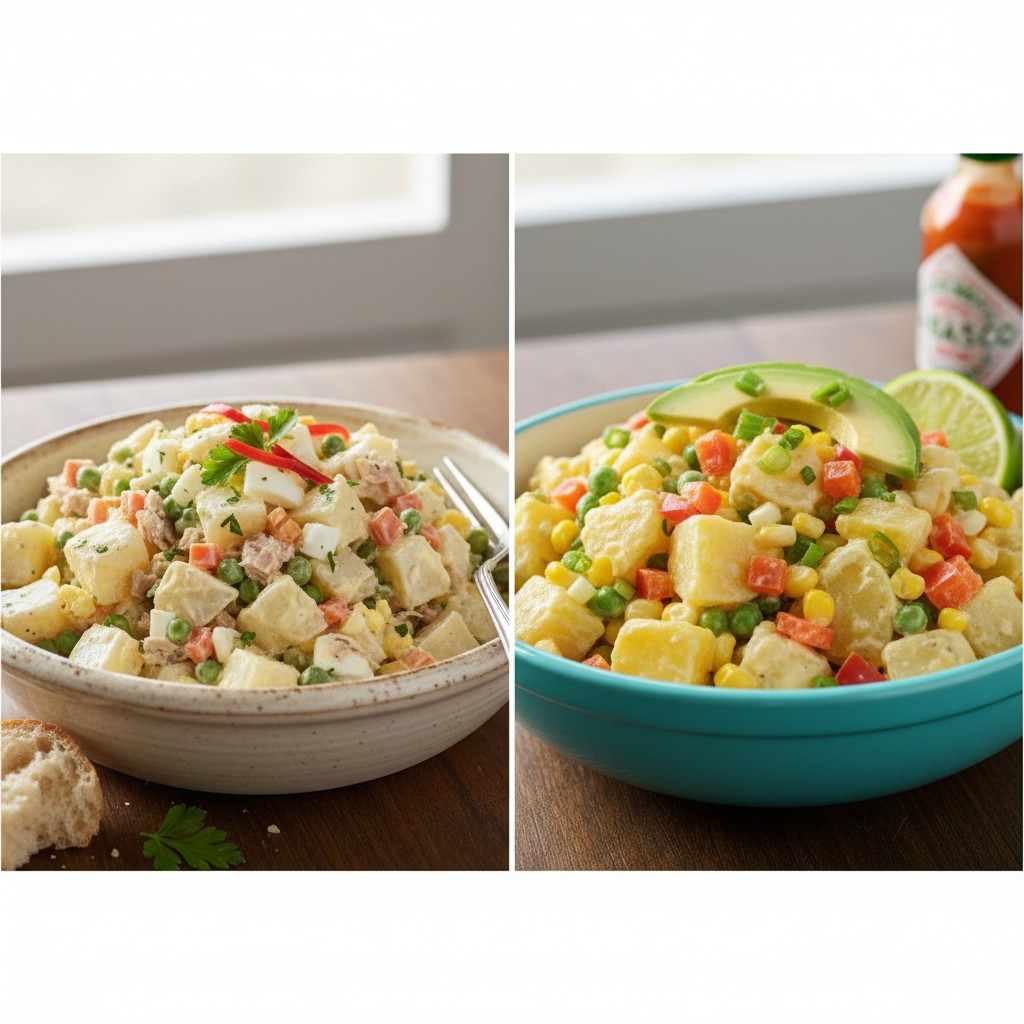
There are few dishes as universally comforting as a well-made potato salad, but the Latin American and Spanish 'ensalada de papa y huevo' elevates this humble classic to a culinary art form. Forget the overly sweet, soupy versions you might find at a generic supermarket; we're talking about a sublime blend of perfectly cooked potatoes and tender hard-boiled eggs, bound together by a creamy, tangy dressing that sings with flavor. This isn't just a side dish; it's a nostalgic trip to family gatherings, a staple at tapas bars, and the perfect accompaniment to a summer barbecue.
However, the quest for the perfect potato and egg salad can be a journey filled with disappointment. The line between a divine, creamy delight and a bland, mushy mess is surprisingly thin. The secret lies in the quality of the ingredients, the balance of textures, and the subtle nuances of the dressing. Whether you're searching for a taste of home or simply want to discover the best version this classic dish has to offer, finding a truly exceptional ensalada de papa y huevo requires a detective's eye. This guide will equip you with 17 insider tips to uncover the most delicious and authentic options available near you, turning your search from a gamble into a guaranteed success.
1. Understand the Regional Variations
Before you begin your search, it's crucial to understand that 'ensalada de papa y huevo' isn't a monolithic dish. Its preparation varies significantly across different Spanish-speaking regions, each adding its own unique twist. In Spain, for example, it's often called 'ensaladilla rusa' and frequently includes tuna, peas, carrots, and olives, creating a more complex and savory profile. This version is a heartier affair, often served as a popular tapa.
Travel to the Caribbean, particularly Puerto Rico or the Dominican Republic, and you'll find a version that often features apples and red onions for a sweet and crunchy contrast. In countries like Argentina and Uruguay, the recipe might hew closer to a simple, creamy blend of potato, egg, and mayonnaise, sometimes with finely chopped parsley, focusing purely on the quality of the core ingredients. It's often served alongside grilled meats at an 'asado'.
Knowing these variations helps you refine your search. If a restaurant or deli is run by a family from a specific country, their salad will likely reflect that region's culinary traditions. This allows you to target your search based on whether you're craving the briny kick of a Spanish version or the creamy simplicity of a South American one. Don't be afraid to ask about the origin of their recipe; it's a great conversation starter and a clue to its flavor profile.
2. Prioritize Places That Use Waxy Potatoes
The single most important ingredient, the potato itself, can make or break the salad. The great debate is between waxy and starchy potatoes. For an ensalada de papa y huevo, waxy potatoes are non-negotiable for achieving the correct texture. Varieties like Yukon Gold, Red Bliss, or Fingerling potatoes have a lower starch content and hold their shape beautifully after being boiled and diced.
When a salad is made with starchy potatoes, such as Russets, the result is often a mushy, grainy disaster. These potatoes are fantastic for mashing or baking, but they break down too easily when mixed with dressing, creating a paste-like consistency rather than distinct, tender chunks of potato. A high-quality establishment understands this fundamental principle of food science.
When you're looking at a prepared salad, observe the potato pieces. Do they look like well-defined cubes, or are the edges blurry and disintegrating into the dressing? Clear, distinct pieces are a strong indicator that the chef has used the right type of potato and cooked it with care. This attention to detail is a hallmark of a superior salad.
3. Evaluate the Egg-to-Potato Ratio
This is the 'y huevo' part of the name, and it's just as important as the potato. A great ensalada de papa y huevo is not just potato salad with a suggestion of egg; it's a true partnership. The eggs should be plentiful, providing creamy, rich bites of yolk and firm pieces of white throughout the salad. A sparse scattering of egg is a sign of cost-cutting and a lack of commitment to the classic recipe.
Pay attention to how the egg is prepared. The yolks should be fully cooked but not chalky or grey, which indicates they were over-boiled. The whites should be tender, not rubbery. Some of the best versions have a portion of the egg yolk mashed directly into the dressing to enhance its richness and color, while the rest of the egg is chopped and folded in. This technique creates an extra layer of creaminess and flavor.
When you see the salad behind the counter, look for a generous amount of visible chopped egg mixed evenly throughout. If it looks like the chef was stingy, the final product will lack the satisfying richness that makes this dish so beloved. The ideal ratio provides a taste of both potato and egg in almost every spoonful.
4. Analyze the Dressing's Sheen and Consistency
The dressing is the soul of the salad, binding everything together. A high-quality dressing should be creamy, glossy, and coat the ingredients evenly without being watery or greasy. The base is almost always mayonnaise, but the quality of the mayo makes a world of difference. Premium mayonnaise, often mixed with a splash of high-quality olive oil, a hint of vinegar, or lemon juice, creates a superior flavor profile.
Look for a dressing that has a healthy sheen. If it looks dull, chalky, or separated, it might be old or made with low-quality ingredients. Conversely, if you see pools of oil, the emulsion has broken, which is another red flag. The ideal dressing clings to the potatoes and eggs, creating a cohesive salad rather than a collection of ingredients sitting in a puddle of sauce.
Don't hesitate to ask what goes into their dressing. A proud chef will be happy to tell you about the type of mayonnaise they use or the special seasonings they add. Common additions that elevate the flavor include a touch of mustard, a pinch of white pepper, or even a secret ingredient passed down through generations. This level of care is what separates the mundane from the magnificent.
5. Look for the Presence of Fresh Herbs
Fresh herbs are a simple addition that can dramatically elevate an ensalada de papa y huevo. They provide a burst of freshness and color that cuts through the richness of the potatoes, eggs, and mayonnaise. Finely chopped fresh parsley is the most traditional and common addition, lending a clean, slightly peppery note.
Other herbs can also make a delicious appearance. Chives can add a delicate oniony flavor without the harshness of raw onion, while some modern interpretations might even use a bit of cilantro or dill. The key is that the herbs should be fresh. If you see dark, wilted specks of green, it suggests the salad is not at its peak.
The vibrant green of fresh herbs is a strong visual indicator of a freshly made batch. It shows that the chef is paying attention to the finishing touches, which often reflects the overall quality of the dish. A salad without any herbs can still be good, but one with a thoughtful, fresh garnish is often better.
6. Scour Latin American & Spanish Delis
Your search for the best ensalada de papa y huevo should begin at local Latin American or Spanish delicatessens, bodegas, and specialty food markets. These establishments are the heartlands of authentic recipes. Unlike large chain grocery stores, these smaller, often family-run businesses pride themselves on preparing food that tastes like it came from their own family's kitchen.
These delis are more likely to use traditional recipes passed down through generations. The owners and staff often hail from the regions where these dishes are staples, ensuring the flavor profile is genuine. You're not just buying a salad; you're buying a piece of their culinary heritage. These places are also where you'll find other authentic treats, from savory pies like tarta de brócoli to various empanadas.
When you visit, take a moment to observe the environment. Is the deli busy with locals, particularly those from the community it represents? That's a fantastic sign. Look at the turnover of the food in the display case. A busy deli means the food is constantly being replenished, guaranteeing freshness. This is where you'll find the hidden gems that no mainstream search engine can point you to.
7. Read Online Reviews with a Critical Eye
While local delis are a great starting point, online platforms like Yelp, Google Maps, and TripAdvisor can be powerful tools if used correctly. Don't just look at the star rating. Dive deep into the written reviews and search for specific keywords like "potato salad," "ensalada de papa," or "ensaladilla rusa."
Pay close attention to reviewers who provide specific details. A review that says "The potato salad was amazing!" is less helpful than one that says, "The potato salad was creamy but not mushy, with the perfect amount of egg and a tangy, homemade-tasting dressing." Look for comments that mention freshness, texture, and flavor balance. Also, cross-reference reviews across multiple platforms to identify consistent praise or complaints.
Be wary of reviews that seem overly generic or polarized. Instead, trust the balanced, descriptive accounts. Often, the most insightful comments are buried in three- or four-star reviews, where the writer details both the pros and cons. These nuanced opinions can give you the most realistic expectation of what you'll find.
8. Ask if it's 'Made In-House'
This is perhaps the most important question you can ask. Many restaurants and even some delis buy pre-made potato salad in large tubs from commercial suppliers to save time and labor. While some of these can be decent, they rarely compare to a version that is made fresh on-site from scratch.
A house-made salad allows the chef to control every aspect of the final product: the type and cook of the potatoes, the freshness of the eggs, and the specific recipe for the dressing. Commercially produced salads often contain preservatives and stabilizers to extend shelf life, which can negatively affect the flavor and texture. They are designed for consistency and longevity, not for peak culinary experience.
Don't be shy about asking your server or the person behind the counter: "Is your potato salad made in-house?" A place that takes pride in its food will be happy to confirm that it is. If they hesitate or give a vague answer, it's a strong sign that the salad is bought-in. Opting for establishments that make their own is a simple step that dramatically increases your chances of finding a truly excellent salad.
9. Consider the 'Add-Ins' for Clues on Authenticity
The extra ingredients, or 'add-ins,' folded into the salad can tell you a lot about its culinary origins and quality. As mentioned, the Spanish version, 'ensaladilla rusa,' is famous for its additions. The presence of high-quality, oil-packed tuna is a classic sign of this style. If you find a version with good quality tuna, it’s a great find, much like discovering delicious empanada de atún which also celebrates this key ingredient.
Other common add-ins for this style include roasted red peppers (pimientos), green olives, and sweet peas. The quality of these ingredients matters. Are the olives flavorful or bland? Are the peppers mushy or firm? These details reflect the overall standard of the kitchen. A well-made salad will have these ingredients in balance, complementing the potatoes and eggs rather than overwhelming them.
In Caribbean and some South American versions, you might find finely diced carrots, red onion, or even crisp apple. These additions provide texture and a hint of sweetness. The key is balance. A great salad uses these extras to create a more complex and interesting dish, not to mask the poor quality of the base ingredients. If the salad is more 'add-ins' than potato and egg, it might be a red flag.
10. Visit Farmers' Markets and Food Fairs
Don't overlook your local farmers' market or community food fair. These venues are magnets for small, independent food artisans who are passionate about their craft. You can often find vendors specializing in prepared foods who make incredible, small-batch salads using fresh, local ingredients.
The advantage of buying at a farmers' market is the direct connection to the producer. You can talk to the person who made the salad, ask about their recipe, and learn about their ingredients. They are often using potatoes, eggs, and herbs sourced from the very same market, ensuring peak freshness and flavor.
These vendors rely on repeat business and word-of-mouth, so quality is their top priority. They aren't trying to compete with mass-market prices; they're competing on taste. Look for the stall with a line, and don't be afraid to ask for a sample. You might just discover your new go-to spot for the best potato salad in town.
11. Check the Menus of Tapas Bars
If you're specifically interested in the Spanish 'ensaladilla rusa' variant, tapas bars are your prime hunting ground. This dish is a cornerstone of Spanish tapas culture, served in virtually every bar from Madrid to Seville. A good tapas restaurant stakes its reputation on classics like this, so they often put a great deal of effort into perfecting their recipe.
When you see it on a menu, it's often served as a single 'tapa' or a larger 'ración' (portion) for sharing. It’s a great way to sample the quality without committing to a large container. Notice how it's served; authentic presentations often include 'picos' (small, crunchy breadsticks) for scooping.
While you're there, you can explore other classic Spanish dishes. A well-made potato salad often signals a kitchen that excels at other simple, flavorful plates. For instance, if their 'ensaladilla rusa' is good, chances are their authentic ensalada mixta will also be fresh and well-prepared. It's a great litmus test for the overall quality of the establishment.
12. Don't Underestimate High-End Butcher Shops
This might seem like an unconventional tip, but many high-end or traditional butcher shops have a deli counter that prepares side dishes designed to accompany their meats. Since their primary customers are discerning about food quality, the standards for these sides are often exceptionally high. They understand that a fantastic steak or roast chicken deserves an equally fantastic side dish.
These shops frequently make their salads in-house daily. They have access to high-quality ingredients and a culinary mindset focused on rich, savory flavors. Their potato and egg salad is often robust and flavorful, designed to stand up to grilled meats and other hearty fare.
Next time you're at a quality butcher, take a look at their prepared foods section. It's a hidden-in-plain-sight source for some of the best comfort food sides. You might go in for a steak and walk out with the best ensalada de papa y huevo you've ever tasted.
13. Explore Catering Menus Online
Local caterers are in the business of making people happy with delicious food, often for important events. Their reputations are built on the quality of their dishes, and staples like potato salad are frequently on the menu. While you might not be hosting an event, browsing the online menus of local caterers, especially those specializing in Latin or Spanish cuisine, can be very revealing.
Many caterers also have a small retail storefront or offer individual orders if you call ahead. They are accustomed to making large, fresh batches, so quality and consistency are paramount. Their potato salad is designed to be a crowd-pleaser and is often a perfected, time-tested recipe.
This research can also lead you to discover other delicious specialties. A caterer known for great Peruvian food might make an excellent ensalada de papa y huevo to go alongside a classic like carapulcra. It's a great way to find businesses that are serious about their food, even if they don't have a traditional restaurant setup.
14. Trust Your Eyes: Look for Visual Cues of Freshness
Before you even taste the salad, your eyes can tell you a lot. A freshly made ensalada de papa y huevo should look vibrant. The potatoes should look bright, not grey or translucent. The eggs should be white and yellow, not discolored. The dressing should be a clean, creamy white or off-white.
One of the biggest tell-tale signs of an old potato salad is a yellowish tint and a watery liquid pooling at the bottom of the container. This happens as the ingredients break down and release moisture, causing the dressing to separate. This not only looks unappetizing but also indicates a significant decline in texture and flavor.
Look for a salad that appears bright, cohesive, and well-mixed. If it's garnished with herbs, they should be green and fresh, not wilted. If the surface looks dried out or has a 'skin' on it, it has been sitting in the display case for too long. Trust your instincts; if it doesn't look fresh and appealing, it probably isn't.
15. Ask for a Sample
When in doubt, just ask. At any deli, market, or counter-service establishment, it is perfectly acceptable to ask for a small sample before you buy, especially if you're purchasing a larger quantity. This is the ultimate test and removes all guesswork from the equation. A single bite can tell you everything about the texture, flavor, and freshness.
Most vendors who are confident in their product will be happy to oblige. Their willingness to offer a sample is a sign of good customer service and pride in what they sell. If a place refuses to provide a sample, it can be a red flag. They may be trying to hide a subpar product.
When you taste it, pay attention to everything: the firmness of the potato, the creaminess of the egg, the tang and seasoning of the dressing, and the overall balance. This final step ensures you're walking away with a product you'll genuinely enjoy, making your detective work a complete success.
16. Pair it with the Right Companions
A great potato and egg salad is versatile, but its true potential is unlocked when paired with the right foods. Think about what the restaurant or deli serves alongside it. At a South American eatery, it's the perfect cooling counterpoint to rich, smoky grilled meats from an 'asado'. At a Spanish tapas bar, it balances out saltier items like cured ham or fried fish.
This context can also be a clue to quality. An establishment that puts thought into its pairings and offers a cohesive menu is likely to apply the same level of care to each individual dish. For instance, serving it alongside a flaky, savory pastry like an empanada de humita shows an understanding of complementary textures and flavors.
When you find a great version, think about how you'll serve it at home. It's fantastic for picnics and barbecues, but also makes a simple and satisfying lunch with just some good bread and a simple green salad. Understanding its role as part of a larger meal can enhance your appreciation for a well-crafted recipe.
17. Check the Price Point for Quality Clues
While everyone loves a bargain, when it comes to prepared foods, an unusually low price can be a warning sign. Making a high-quality ensalada de papa y huevo from scratch with good ingredients costs money. Quality mayonnaise, fresh eggs, the right potatoes, and fresh herbs all contribute to the final cost.
If a salad is priced significantly lower than all its competitors, it may be a sign that corners are being cut. This could mean using lower-grade mayonnaise, fewer eggs, starchy potatoes, or even powdered ingredients. The product might be mass-produced and contain fillers or preservatives to keep costs down.
Conversely, a higher price point isn't a guarantee of quality, but it often reflects the use of premium ingredients and in-house labor. The best value isn't always the lowest price; it's the best quality for the price. Be willing to pay a little more for a product that is clearly superior in taste, texture, and freshness. Your taste buds will thank you.
Frequently Asked Questions
What's the difference between Spanish ensalada de papa y huevo and American potato salad?
The main differences lie in the dressing and common additions. American potato salad often has a sweeter dressing, sometimes with sweet pickle relish, and frequently includes celery for crunch. Spanish and Latin American versions typically use a more savory dressing based on mayonnaise and olive oil, with a tangy kick from vinegar or lemon juice. Spanish versions ('ensaladilla rusa') also commonly include tuna, peas, and pimento peppers, which are rare in American-style salads.
What ingredients should I look for in an authentic ensalada de papa y huevo?
For a classic, high-quality version, you should look for waxy potatoes (like Yukon Gold) that hold their shape, a generous amount of perfectly hard-boiled eggs, and a creamy dressing made from good-quality mayonnaise. Fresh parsley is a common and desirable addition. Depending on the regional style, authentic additions can include high-quality canned tuna, green olives, roasted red peppers, peas, carrots, or finely diced red onion.
How can I tell if the potato salad is fresh?
There are several visual cues. Fresh potato salad will look vibrant and bright. The dressing should be glossy and cohesive, not watery or separated with pools of liquid at the bottom. The ingredients, especially any herbs, should look fresh, not wilted or discolored. An old salad may have a yellowish tint or a dry 'skin' on top. Ultimately, the smell and a small taste (if possible) are the best indicators.
Is ensalada de papa y huevo healthy?
It can be part of a balanced diet, but it's generally considered a rich, comfort-food dish. The potatoes provide carbohydrates, fiber, and potassium, while the eggs offer high-quality protein. However, the mayonnaise-based dressing is high in fat and calories. Look for versions that appear less heavy on the dressing or are made with olive oil to make it a healthier choice. It's best enjoyed in moderation as a satisfying side dish.
Can I make a good version at home if I can't find one near me?
Absolutely! Making ensalada de papa y huevo at home is very rewarding. The key is to use the right ingredients. Boil waxy potatoes until just tender, cook your eggs perfectly (about 10-12 minutes), and let both cool before mixing. For the dressing, start with a high-quality mayonnaise and season it with salt, white pepper, and a splash of lemon juice or white wine vinegar. Gently fold everything together with fresh parsley, and let it chill for at least an hour for the flavors to meld.
Image Source: © MrDetechtive — all photos in this article are the exclusive property of MrDetechtive and may not be reproduced or reused without written permission.